
General Benefits of Supplementing with Zinc
Incorporating zinc—a vital trace mineral—into the diet supports multiple physiological systems. Ensuring adequate zinc intake (8–11 mg/day for most adults) promotes:
1. Robust Immune Function
Zinc is essential for both innate and adaptive immunity, acting as a catalytic and structural cofactor in over 300 enzymes and transcription factors. It maintains skin and mucosal barriers, supports neutrophil and natural killer cell activity, and promotes T- and B-lymphocyte development and function. Zinc deficiency impairs phagocytosis, cytokine production (e.g., IL-2, IFN-γ), and antibody responses, increasing susceptibility to infections[1][2].
2. Efficient Wound Healing and Skin Integrity
Skin contains a high proportion of the body’s zinc stores. Zinc activates matrix metalloproteinases, collagen synthesis enzymes, and growth factors that drive hemostasis, inflammation resolution, re-epithelialization, and angiogenesis. Supplementation accelerates closure of chronic ulcers, reduces inflammation, and enhances tensile strength of healing tissue—especially in individuals with low baseline zinc[3][4].
3. Antioxidant and Anti-Inflammatory Protection
As a cofactor for Cu/Zn superoxide dismutase and glutathione peroxidase, zinc neutralizes reactive oxygen species and stabilizes cell membranes. It also downregulates NF-κB signaling, lowering pro-inflammatory cytokines (TNF-α, IL-6) and mitigating oxidative stress linked to chronic disease[5][2].
4. Support of Growth, Development, and Reproduction
Zinc is crucial for DNA/RNA synthesis and cell division, underpinning normal somatic growth and fetal development. In men, it’s required for spermatogenesis and testosterone synthesis; in women, adequate zinc supports ovarian function and healthy pregnancy outcomes[5].
5. Metabolic Regulation
Zinc plays roles in insulin synthesis, storage, and secretion. Supplementation improves glycemic control by enhancing insulin receptor signaling and antioxidant defenses in pancreatic β-cells. It also modulates lipid metabolism, lowering triglycerides and LDL cholesterol while modestly raising HDL[5].
6. Cognitive and Neurotransmitter Support
Zinc influences neurotransmission by regulating glutamatergic and GABAergic pathways and supporting neurogenesis. Supplementation in deficient individuals has been linked to improved mood, memory, and reduced risk of depression through modulation of brain-derived neurotrophic factor (BDNF) and neurotransmitter synthesis[5].
7. Gastrointestinal Health
Zinc reduces the duration and severity of acute diarrhea—particularly in children—by promoting enterocyte regeneration and modulating intestinal transporters. It also maintains gut barrier integrity and balances microbiota composition[6][5].
8. Vision and Eye Health
Zinc concentrates in the retina and acts as an antioxidant to protect photoreceptors. Adequate zinc status correlates with lower progression of age-related macular degeneration and supports night vision by maintaining rhodopsin function[6].
9. Taste, Smell, and Wound-Barrier Maintenance
Zinc is a cofactor for gustin, a salivary enzyme necessary for taste bud development, and for maintenance of olfactory epithelium. Deficiency leads to dysgeusia and hyposmia, both reversible with supplementation[7].
Conclusion:
Supplementing with zinc delivers comprehensive health benefits—from strengthening immune defenses and accelerating wound repair to regulating metabolism, supporting reproduction, and protecting against oxidative stress. Maintaining recommended zinc intake is vital to prevent deficiency-related disorders and optimize physiological resilience.
⁂
https://ods.od.nih.gov/factsheets/Zinc-HealthProfessional/
https://pubmed.ncbi.nlm.nih.gov/9701160/
https://pmc.ncbi.nlm.nih.gov/articles/PMC5748737/
https://medicaljournalssweden.se/actadv/article/view/16942
https://pmc.ncbi.nlm.nih.gov/articles/PMC5793244/
https://pmc.ncbi.nlm.nih.gov/articles/PMC8861317/
https://www.healthline.com/nutrition/zinc-supplements
Specific Benefits of Adding Zinc to a Blood Sugar Supplement
Key Takeaway:
Incorporating zinc into a blood sugar–support formula delivers multi-targeted glycemic benefits—enhancing insulin sensitivity and signaling, improving β-cell function, reducing oxidative stress and advanced glycation end-product (AGE) formation, and lowering key markers of hyperglycemia such as fasting glucose and HbA₁c.
1. Enhancement of Insulin Sensitivity and Signaling
Zinc acts as a cofactor for key enzymes in insulin receptor synthesis and downstream signaling, preserving membrane fluidity and promoting insulin-stimulated GLUT4 translocation in muscle and adipose tissue.
– Meta-analysis shows low-dose zinc supplementation (<25 mg/day) significantly improves HOMA-IR and fasting glucose[1].
2. Improved Glycemic Control
Randomized controlled trials and meta-analyses demonstrate that zinc supplementation lowers long-term and short-term glycemic markers:
– Fasting blood glucose decreases by ~0.74 mmol/L on average in T2DM patients[1].
– HbA₁c is reduced by 0.17–0.90 percentage points (mean –0.54%) with doses of 200–1,000 mg/day[2].
3. β-Cell Protection and Preservation
By mitigating glucotoxicity and lipotoxicity, zinc protects pancreatic β cells from apoptosis and supports insulin storage:
– Zinc induces autophagy (LC3-II–mediated) under high-glucose stress, preserving β-cell viability and insulin secretion[ https://doi.org/10.1136/postgradmedj-2021-140878 ].
4. Antioxidant Defense and AGE Inhibition
As a structural component of Cu/Zn superoxide dismutase and inducer of metallothionein and Nrf2 pathways, zinc reduces reactive oxygen species in pancreatic and vascular tissues, inhibiting early glycation steps and AGE formation that impair insulin action.
– Supplementation (50 mg/day) elevates total antioxidant capacity by ~16% and decreases lipid peroxidation and nitrotyrosine levels by ~25–30%[2].
5. Insulin-Mimetic Actions
Zinc-α₂-glycoprotein enhances GLUT4 expression in skeletal muscle and adipose tissue, mimicking insulin’s effects on glucose uptake and glycogen synthesis, thereby improving postprandial glycemic responses[3].
Practical Implications for Formulation
- Dosage: Clinical benefits observed with 25–50 mg elemental zinc daily for ≥8 weeks.
- Synergies: Co-formulation with antioxidants (e.g., vitamin C), magnesium, or chromium may amplify insulin-sensitizing and antioxidant effects.
- Safety: Well tolerated at supplemental doses up to 75 mg/day; monitor for gastrointestinal discomfort and copper balance.
Conclusion:
Adding zinc to a blood sugar supplement provides comprehensive glycemic support—from potentiating insulin receptor signaling and safeguarding β-cells to bolstering antioxidant defenses and lowering fasting glucose and HbA₁c—making it a valuable adjunct in metabolic health formulations.
Sources:
[3] PMC4573932
[2] Nazem-Reza et al., Postgrad Med J. 2023
[1] Effects of Dose and Duration of Zinc Interventions on T2D Risk Factors, Am Soc Nutr. 2021
⁂
- https://pubmed.ncbi.nlm.nih.gov/32722790/
- https://academic.oup.com/pmj/article/99/1174/862/7150863
- https://pmc.ncbi.nlm.nih.gov/articles/PMC4573932/
Specific Benefits of Adding Zinc to a Vision Supplement
Incorporating zinc into a vision-targeted supplement yields multi-mechanistic ocular protection—supporting photoreceptor function, retinal pigment epithelium integrity, antioxidant defenses, and immune modulation—to slow progression of age-related macular degeneration (AMD), preserve night vision, and maintain overall retinal health.
1. Support for Phototransduction and Night Vision
Zinc is highly concentrated in the retina—particularly in the macula—where it binds to and stabilizes rhodopsin and cone opsins, facilitating the visual cycle and dark adaptation. Adequate zinc levels prevent night blindness (nyctalopia) by ensuring efficient 11-cis-retinal regeneration and optimal rod photoreceptor function[1].
2. Maintenance of Retinal Pigment Epithelium (RPE) Health
Within the RPE, zinc cofactors modulate melanosome function and autophagy, preventing lipofuscin accumulation—a key driver of RPE degeneration. By sustaining RPE detoxification pathways, zinc slows drusen formation and geographic atrophy in AMD[2].
3. Antioxidant Defense in Lens and Retina
As a cofactor for Cu/Zn superoxide dismutase and metallothionein induction, zinc neutralizes reactive oxygen species generated by light exposure and metabolic activity. This lipid-bilayer protection preserves photoreceptor outer-segment integrity and prevents oxidative damage to retinal cells[1].
4. Modulation of Complement-Mediated Inflammation
Zinc supplementation (50 mg/day) inhibits abnormal complement activation—measured by decreased C3d/C3 ratios and C5a levels—in AMD patients, thereby reducing chronic inflammation at the level of Bruch’s membrane and improving complement regulation independent of CFH or ARMS2 genotype[3].
5. Enhancement of Vitamin A Metabolism and Melanin Production
Zinc facilitates the mobilization of vitamin A from the liver and its conversion to retinal, while also promoting melanin synthesis in the RPE and iris. Melanin acts as a natural photoprotectant, filtering short-wave light and attenuating photo-oxidative stress on photoreceptors[4].
6. Epidemiological and Clinical Evidence for AMD Progression
The Age-Related Eye Disease Study (AREDS) demonstrated that a formulation including 80 mg zinc oxide reduced progression to advanced AMD by ~25% and vision-loss risk by ~19% in high-risk individuals. Zinc alone showed a 25% risk reduction for advanced AMD in those with intermediate disease at baseline[5].
Conclusion:
Adding zinc to a vision supplement provides comprehensive retinal support—from bolstering phototransduction and antioxidant defenses to regulating inflammation and preserving RPE function—backed by mechanistic studies and landmark clinical trials demonstrating slowed AMD progression and maintained visual acuity.
⁂
- https://pubmed.ncbi.nlm.nih.gov/24160731/
- https://pmc.ncbi.nlm.nih.gov/articles/PMC7404247/
- https://journals.plos.org/plosone/article?id=10.1371%2Fjournal.pone.0112682
- https://www.coveeyecare.com/eye-care-services/eye-disease-management/macular-degeneration-treatment/zinc-and-macular-degeneration/
- https://www.nei.nih.gov/about/news-and-events/news/antioxidant-vitamins-and-zinc-reduce-risk-vision-loss-age-related-macular-degeneration
Specific Benefits of Adding Zinc to an Immunity Supplement
Key Takeaway:
Zinc is integral to both innate and adaptive immunity. Supplementing zinc in immunity formulations enhances barrier defenses, cellular antimicrobial actions, cytokine balance, lymphocyte function, and vaccine responsiveness—collectively reducing infection risk and accelerating recovery.
1. Enhancement of Innate Barrier and Phagocytic Defenses
- Maintains skin and mucosal integrity, limiting pathogen entry.
- Serves as cofactor for metallothioneins that stabilize cell membranes against oxidative damage.
- Boosts neutrophil chemotaxis, phagocytosis, and reactive oxygen–mediated killing via NADPH oxidase activation, reducing pathogen load early in infection[1].
2. Augmentation of Natural Killer (NK) Cell Activity
- Promotes NK-cell differentiation from CD34⁺ progenitors and increases their cytotoxic degranulation.
- Elevates perforin and granzyme B expression, enhancing clearance of virus-infected and tumor cells[2].
3. Support of Macrophage Function and Cytokine Balance
- Optimizes macrophage phagocytosis and antigen presentation by regulating zinc-dependent signaling kinases (e.g., protein kinase C).
- Modulates NF-κB activity to limit excessive pro-inflammatory cytokine release (TNF-α, IL-6) while sustaining IL-1β and IL-2 production necessary for pathogen clearance[2][3].
4. Promotion of T-Lymphocyte Development and Th1 Responses
- Prevents thymic atrophy and supports thymulin activity, preserving thymocyte maturation and T-cell output.
- Shifts CD4⁺ T-helper balance toward Th1 phenotypes—boosting IFN-γ and IL-2 secretion critical for intracellular pathogen defense.
- Enhances CD8⁺ cytotoxic T-cell proliferation and memory formation[2][1].
5. Enhancement of B-Cell Maturation and Antibody Production
- Supports B-cell receptor signaling and germinal-center reactions, increasing quality and quantity of immunoglobulin G.
- Improves humoral memory to sustain long-term protection after infection or vaccination[2][4].
6. Regulation of Inflammatory Biomarkers
Meta-analyses of RCTs show zinc supplementation significantly:
| Marker | Change with Zinc Supplementation | Citation |
| C-reactive protein | −32.4 mg/L (WMD; 95% CI: −44.45 to −19.62) | [4] |
| hs-CRP | −0.95 mg/L (WMD; 95% CI: −1.01 to −0.89) | [4] |
| TNF-α | Significant reduction (WMD not reported) | [4] |
| IL-6 | Significant decrease | [4] |
| Neutrophil count | SMD −0.46 (95% CI: −0.90 to −0.01) | [4] |
| CD4⁺ T-cells | +1.79% (WMD; 95% CI: 0.57 to 3.00) | [4] |
7. Improved Vaccine Responsiveness
While total serum zinc shows variable correlations with antibody titers, free zinc (labile pool) positively correlates with post-vaccination antibody levels and neutralizing potency, suggesting that optimized zinc homeostasis enhances adaptive responses to immunization[5].
8. Antioxidant and Anti-Apoptotic Actions
- Cofactor for Cu/Zn–superoxide dismutase and glutathione peroxidase to scavenge ROS generated during immune activation.
- Prevents lymphocyte apoptosis by stabilizing mitochondrial membranes, preserving functional immune cell pools under stress[1].
Summary Table of Zinc’s Immune Benefits
| Functional Domain | Specific Actions | Outcome |
| Barrier integrity | Metallothionein induction; epithelial maintenance | Reduced pathogen entry |
| Neutrophil & Macrophage | ↑ Chemotaxis; ↑ phagocytosis; regulated ROS production | Faster microbial clearance |
| NK-cell cytotoxicity | ↑ CD34⁺ differentiation; ↑ perforin/granzyme expression | Enhanced antiviral/tumor surveillance |
| T-cell function | Thymic support; ↑ Th1 cytokines (IFN-γ, IL-2); ↑ CD8⁺ memory | Strong adaptive cellular immunity |
| B-cell & antibody response | Improved germinal-center reactions; ↑ IgG production | Enhanced humoral protection |
| Cytokine modulation | Balanced NF-κB signaling; ↓ TNF-α, IL-6; ↑ IL-2 | Controlled inflammation and effective response |
| Vaccine responsiveness | Correlation of free Zn with antibody titers | Improved vaccine efficacy |
| Antioxidant defense | Cofactor for SOD, GPx; mitochondrial protection | Sustained immune cell viability |
Conclusion:
Adding zinc to an immunity supplement delivers holistic immunomodulation—strengthening physical barriers, optimizing innate effector functions, steering adaptive T- and B-cell responses, and fine-tuning cytokine and redox balance—thereby reducing infection risk, improving vaccine responses, and accelerating recovery from immune challenges.
⁂
- https://pubmed.ncbi.nlm.nih.gov/9701160/
- https://www.frontiersin.org/journals/nutrition/articles/10.3389/fnut.2024.1385591/full
- https://pmc.ncbi.nlm.nih.gov/articles/PMC5748737/
- https://pubmed.ncbi.nlm.nih.gov/33356467/
- https://pmc.ncbi.nlm.nih.gov/articles/PMC9280661/
Zinc is found in the follow Dr. Hennen products:
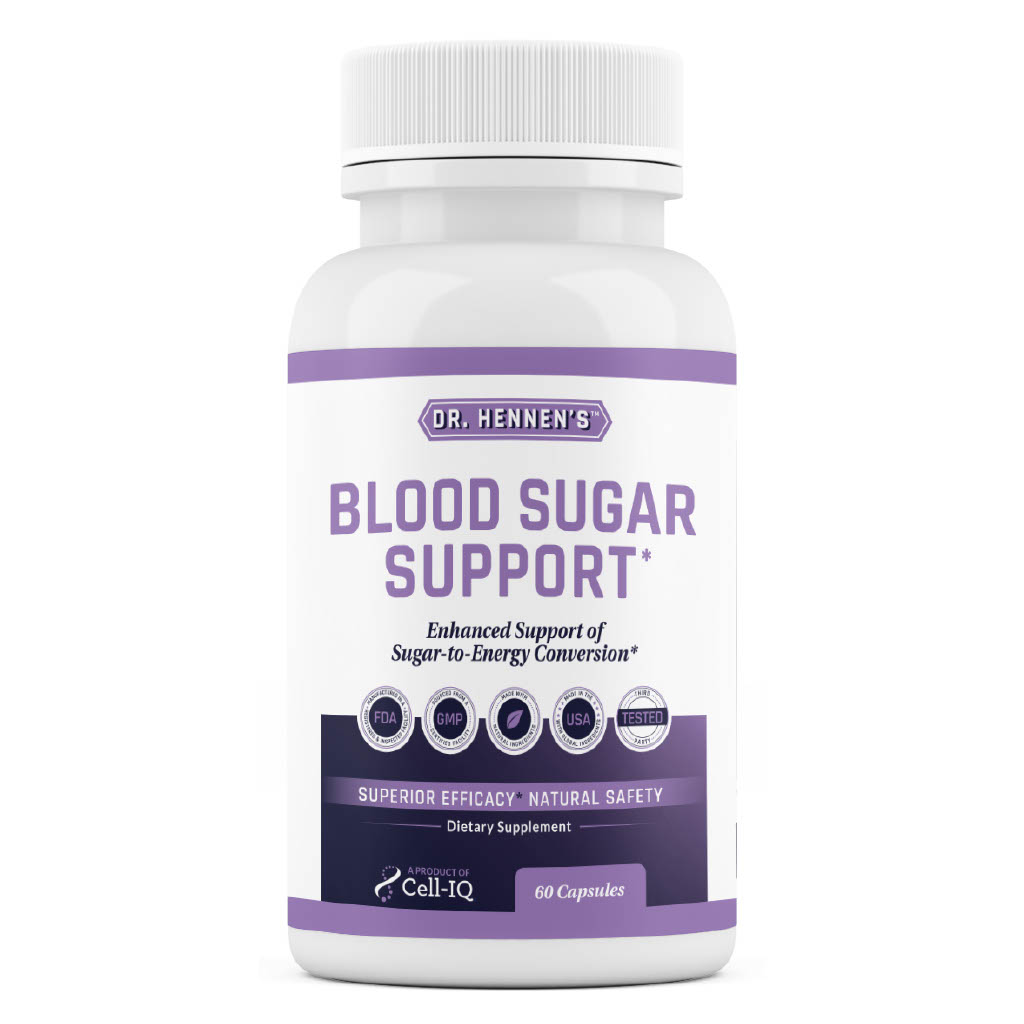


 Dr. Hennen Labs