The benefits of Thiamin
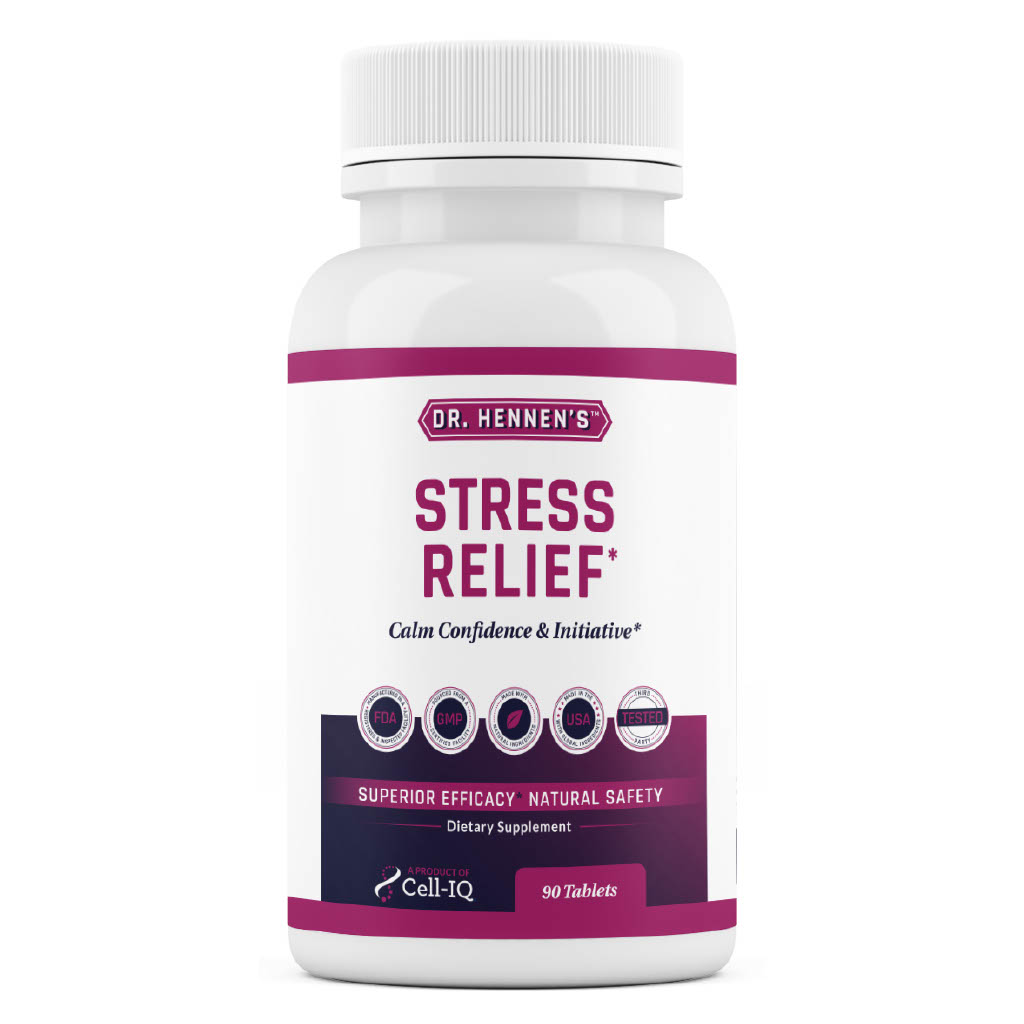
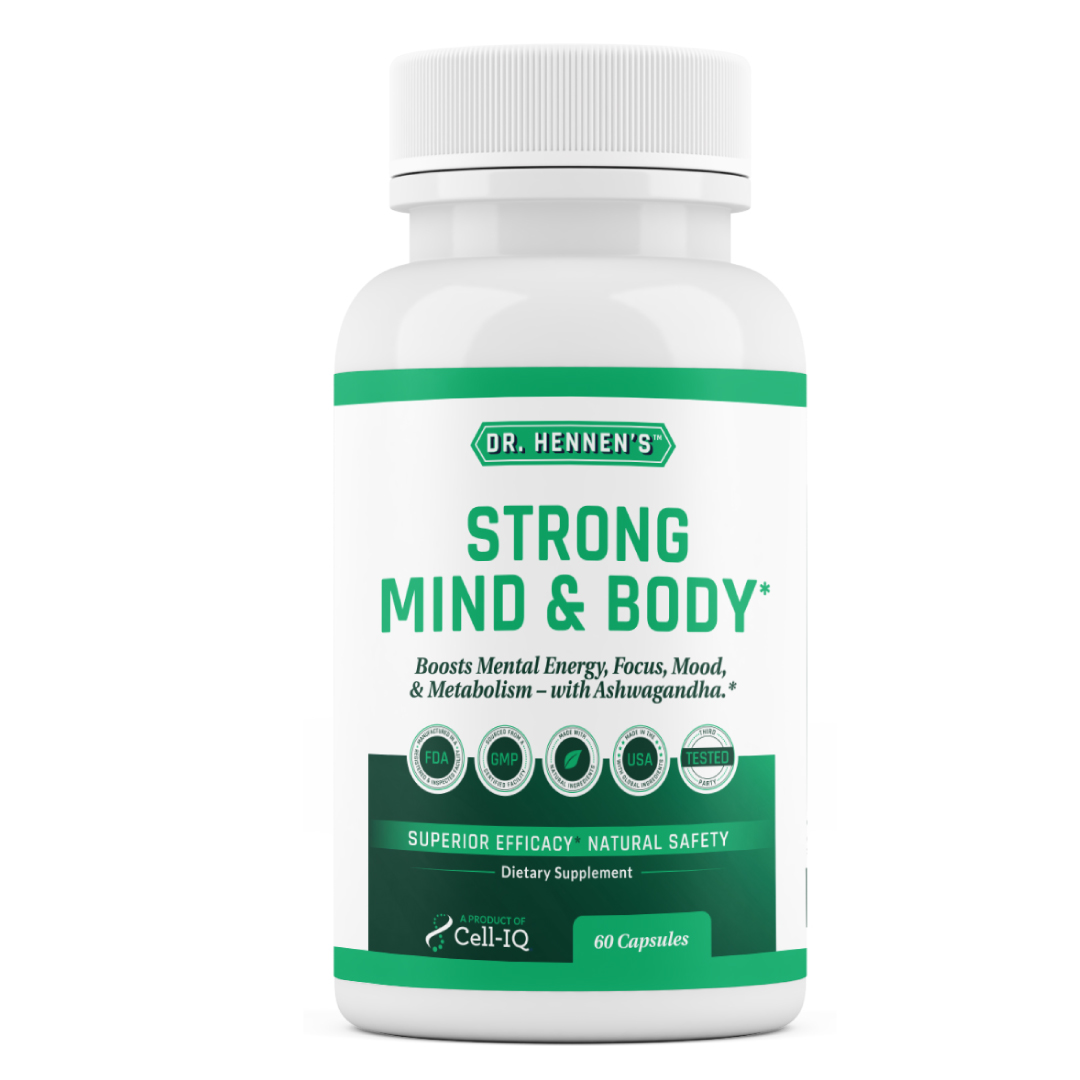
Thiamin is found in the follow Dr. Hennen products:
General Benefits of Supplementing with Thiamin (Vitamin B₁)
Key Takeaway: Thiamin is an essential water-soluble vitamin that supports energy production, nervous-system function, cardiovascular health, antioxidant defenses, and metabolic homeostasis. Daily intake within recommended levels (1.1 mg for adult women; 1.2 mg for adult men) prevents deficiency disorders and promotes optimal physiological performance.
1. Energy Metabolism and ATP Production
Thiamin is phosphorylated to thiamine diphosphate (TPP), a coenzyme for key enzymes in carbohydrate, fat, and protein metabolism:
- Pyruvate dehydrogenase (links glycolysis to the TCA cycle)
- α-Ketoglutarate dehydrogenase (TCA cycle)
- Transketolase (pentose phosphate pathway)
- Branched-chain α-ketoacid dehydrogenase (amino acid catabolism)
Adequate TPP levels ensure efficient ATP generation in mitochondria, reducing fatigue and improving exercise capacity[1].
2. Nervous System Support
- Facilitates synthesis of neurotransmitters (acetylcholine, GABA), maintaining nerve impulse conduction and muscle contraction.
- Prevents peripheral neuropathy, ataxia, and Wernicke–Korsakoff syndrome associated with deficiency[2].
- Supports cognitive performance and mood regulation; low thiamin status correlates with depression symptoms in older adults[3].
3. Cardiovascular Function
- Essential for cardiac energy metabolism; deficiency leads to cardiac beriberi (congestive heart failure, edema)[4].
- Thiamin supplementation improves left ventricular ejection fraction in heart-failure patients on diuretics[5].
- Supports acetylcholine production for normal heart rhythm and vascular tone[6].
4. Antioxidant and Anti-Inflammatory Actions
- Thiamin and its esters scavenge reactive oxygen species (especially hydroxyl radicals) and inhibit lipid peroxidation[1][7].
- Enhances endogenous antioxidant enzyme activities (glutathione peroxidase, superoxide dismutase).
- Inhibits NF-κB signaling, reducing pro-inflammatory cytokines and advanced glycation end-product formation, which protects endothelial function[1].
5. Metabolic and Glucose Homeostasis
- Regulates glucose metabolism; high-dose thiamin improves insulin sensitivity and lowers blood sugar in diabetic patients[6].
- Defends against hyperglycemia-induced oxidative stress by promoting proper pyruvate metabolism and preventing lactate buildup[1].
6. Immune Function and Infection Resistance
- Supports proliferation and function of T cells and macrophages by modulating cellular redox states and energy supply in immune cells[1].
- Observational links between adequate thiamin and improved outcomes in viral infections, including potential benefits in early COVID-19 management via carbonic anhydrase inhibition and enhanced immune response[1].
7. Gastrointestinal Health
- Plays a role in the secretion of gastric juices and supports healthy appetite and digestion.
- May alleviate canker sores and support mucosal integrity when used adjunctively[5].
8. Safety and Recommendations
- Recommended Dietary Allowance: 1.1 mg/day (women), 1.2 mg/day (men).
- No established upper limit due to low toxicity; excess is excreted in urine[3].
- Populations at risk for deficiency: chronic alcohol users, elderly, malabsorptive disorders, high-carbohydrate diets.
Conclusion:
Supplementing with thiamin ensures robust bioenergetic function, protects the nervous and cardiovascular systems, bolsters antioxidant defenses, and supports metabolic and immune health. Maintaining adequate thiamin status is critical to prevent deficiency syndromes and optimize overall physiological resilience.
- https://portlandpress.com/bioscirep/article/43/10/BSR20230374/233247/The-importance-of-thiamine-vitamin-B1-in-humans
- https://pmc.ncbi.nlm.nih.gov/articles/PMC10568373/
- https://medlineplus.gov/ency/article/002401.htm
- https://health.clevelandclinic.org/vitamin-b1
- https://www.ebsco.com/research-starters/complementary-and-alternative-medicine/vitamin-b1-therapeutic-uses
- https://www.webmd.com/vitamins-and-supplements/health-benefits-of-vitamin-b-1
- https://www.mdpi.com/2072-6643/17/13/2206
Benefits of Thiamin for Stress Management
Key Takeaway:
Inclusion of thiamin (vitamin B₁) in a stress management formula supports adaptive stress responses, neurotransmitter balance, energy metabolism, and oxidative resilience, leading to reduced perceived stress, improved sleep quality, and enhanced mood stability.
1. Modulation of the Hypothalamic–Pituitary–Adrenal (HPA) Axis
Thiamin contributes to optimal HPA-axis regulation under stress by maintaining mitochondrial function in CRH- and ACTH-secreting neurons. Adequate thiamin supports rapid cortisol feedback and prevents prolonged glucocorticoid exposure, mitigating wear-and-tear on the body’s stress systems[1].
2. Neurotransmitter Synthesis and Mood Regulation
As a cofactor for enzymes in carbohydrate metabolism, thiamin ensures ATP supply for neuronal function and supports:
- Acetylcholine turnover by inhibiting acetylcholinesterase, enhancing cognitive resilience[2].
- Serotonin uptake and GABA availability, fostering anxiolysis and mood stabilization[2].
3. Preservation of Adult Hippocampal Neurogenesis
In rodent models, thiamin and its lipophilic precursor benfotiamine prevented stress-induced reductions in hippocampal progenitor proliferation (Ki67⁺ cells) and survival (BrdU⁺ cells), counteracted oxidative damage, and suppressed anxiety-like behaviors under predator stress[3].
4. Enhancement of Antioxidant Defenses
Thiamin upregulates glutathione peroxidase and supports thioredoxin reductase activity, neutralizing ROS generated during chronic stress. This antioxidant action protects neurons and adrenal tissues from oxidative injury[2].
5. Support for Energy Metabolism and Fatigue Reduction
By serving as the precursor to thiamine diphosphate (ThDP), the essential coenzyme for pyruvate dehydrogenase, α-ketoglutarate dehydrogenase, and transketolase, thiamin ensures efficient ATP generation. This energy support alleviates stress-related fatigue and “brain fog”[2].
6. Clinical Evidence of Stress Reduction and Sleep Improvement
A randomized, double-blind, placebo-controlled trial (n = 43) administering 100 mg thiamin + 100 mg riboflavin daily for 4 weeks demonstrated:
- Perceived Stress Scale (PSS) score reduction from 21.5 ± 4.1 to 15.5 ± 4.5 (p < 0.05) in the vitamin group vs 20.3 ± 4.3 to 19.8 ± 5.5 in placebo[4].
- Pittsburgh Sleep Quality Index (PSQI) improvement: 8.0 ± 3.12 to 6.3 ± 2.0 (p < 0.05) vs placebo worsening[4].
- Epworth Sleepiness Scale (ESS) reduction from 13.0 ± 3.4 to 9.1 ± 3.9 (p < 0.05), indicating decreased daytime somnolence[4].
Practical Implications for Formulation
- Dosage: 50–100 mg thiamin per serving, potentially combined with lipophilic derivatives (e.g., benfotiamine) to enhance tissue uptake.
- Synergies: Co-formulation with magnesium, B₆, or adaptogenic botanicals (e.g., Rhodiola) may amplify stress resilience through complementary mechanisms.
- Safety: Well tolerated at supplemental doses up to 200 mg/day, with negligible toxicity given renal excretion of excess[2].
Conclusion:
Adding thiamin to a stress management supplement delivers a multi-targeted approach—optimizing HPA-axis feedback, supporting neurotransmitter and energy metabolism, bolstering antioxidant defenses, and yielding clinically validated reductions in perceived stress and sleep disturbances.
 Dr. Hennen Labs