
The benefits of Calcium
Calcium is found in the follow Dr. Hennen products:
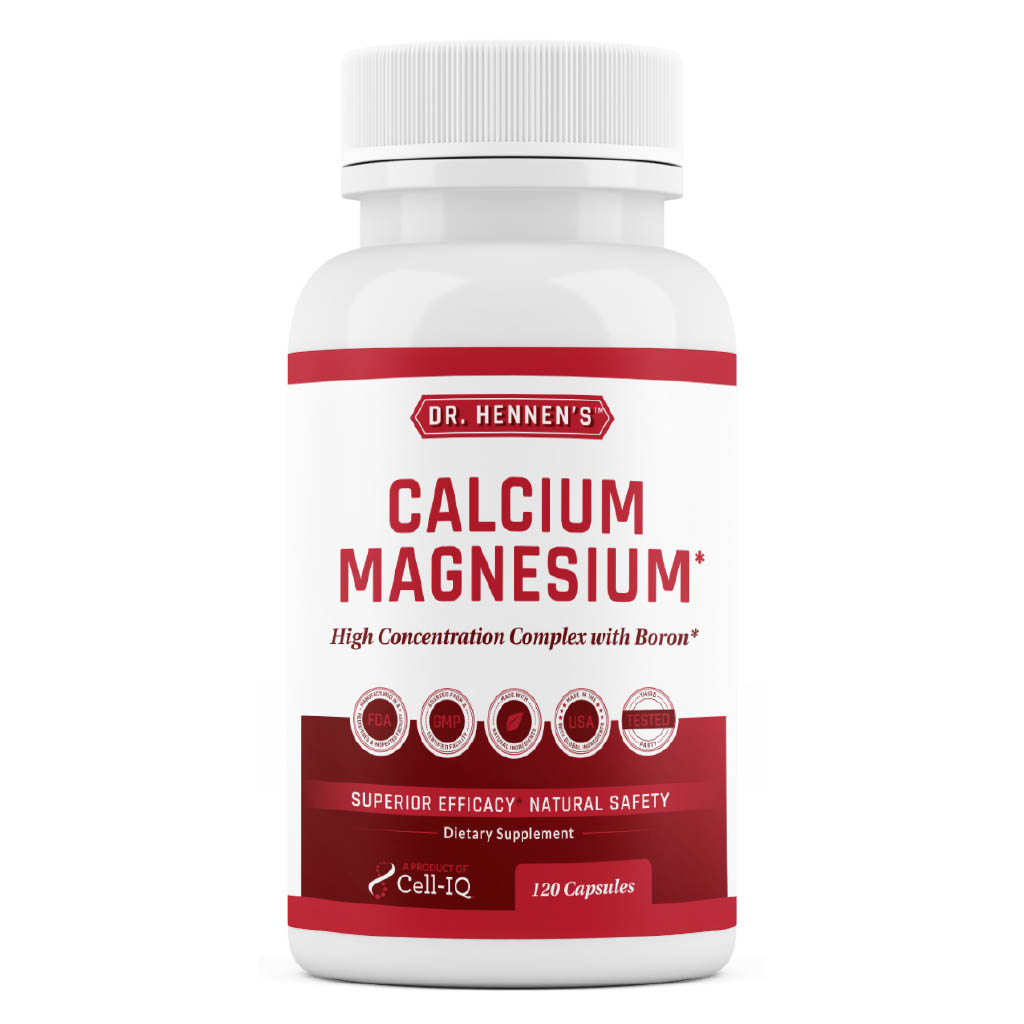
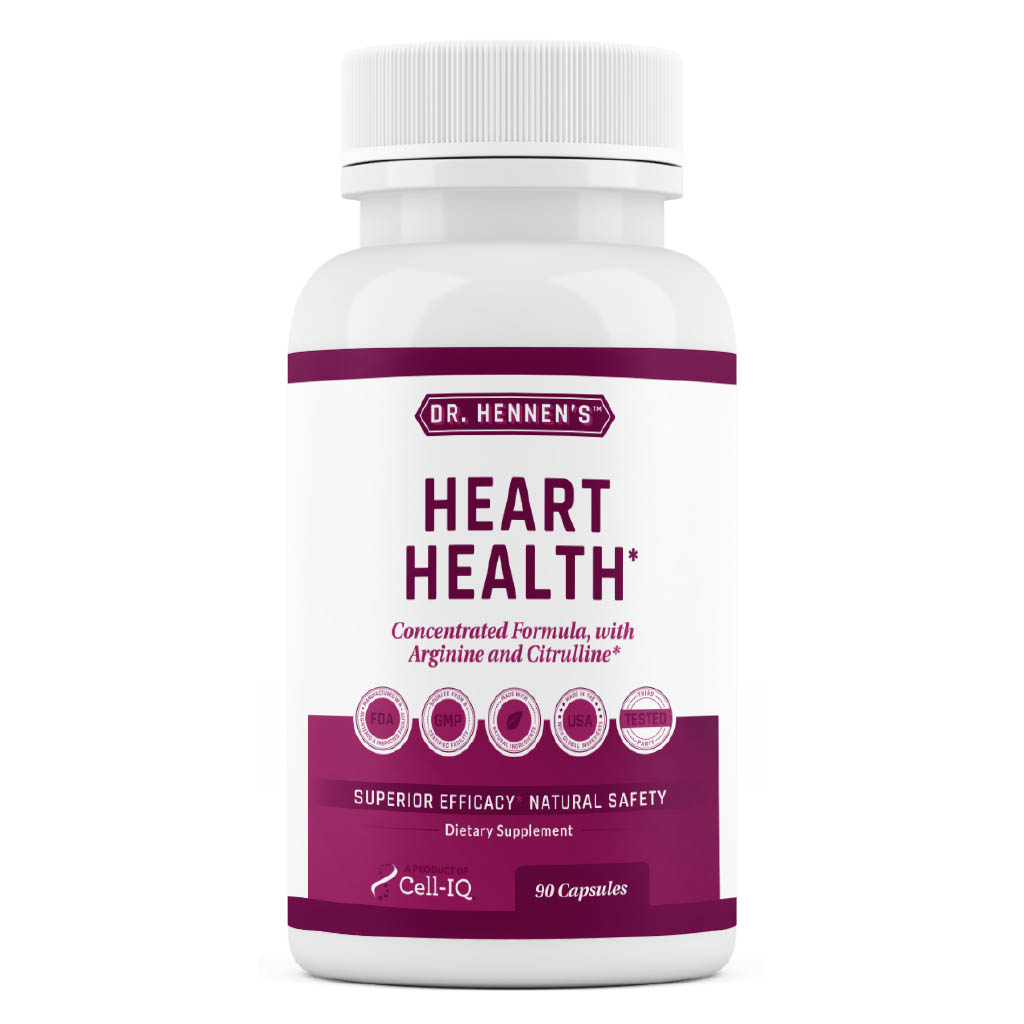
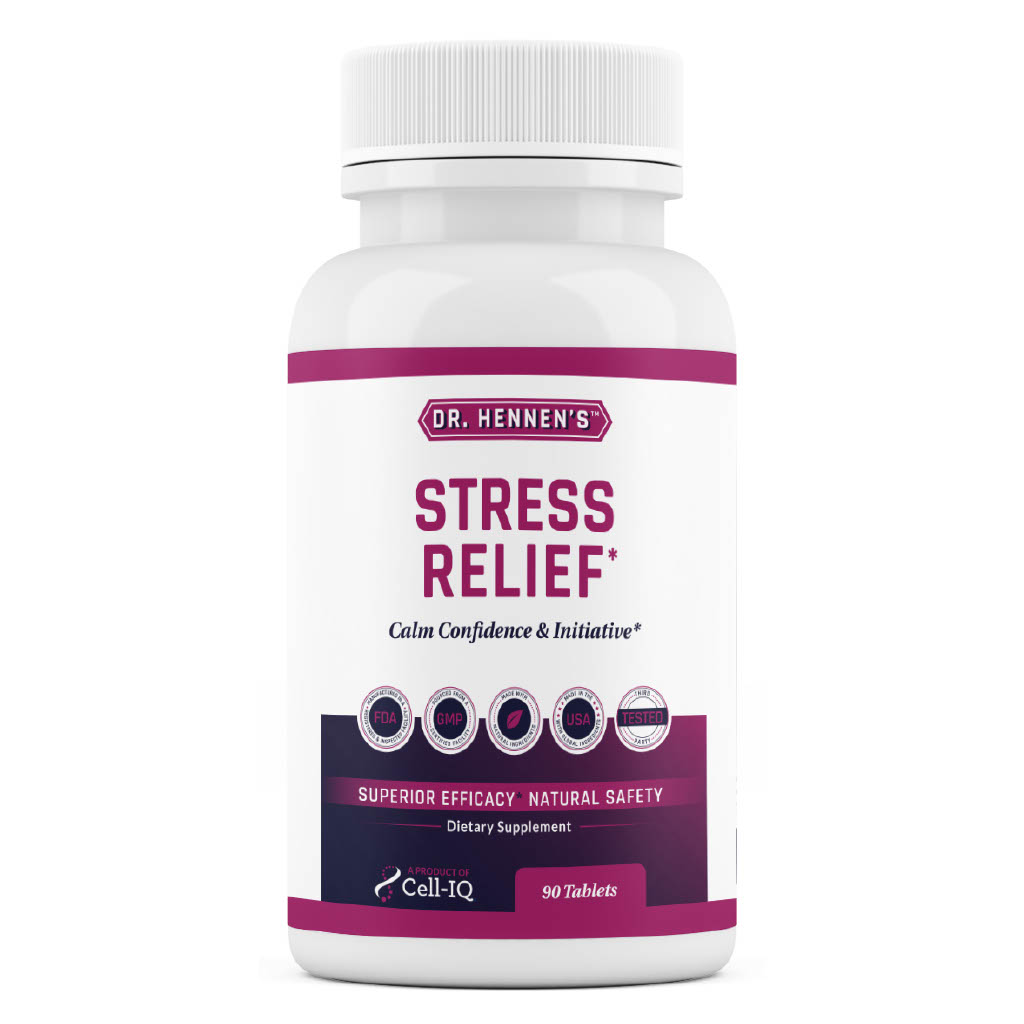
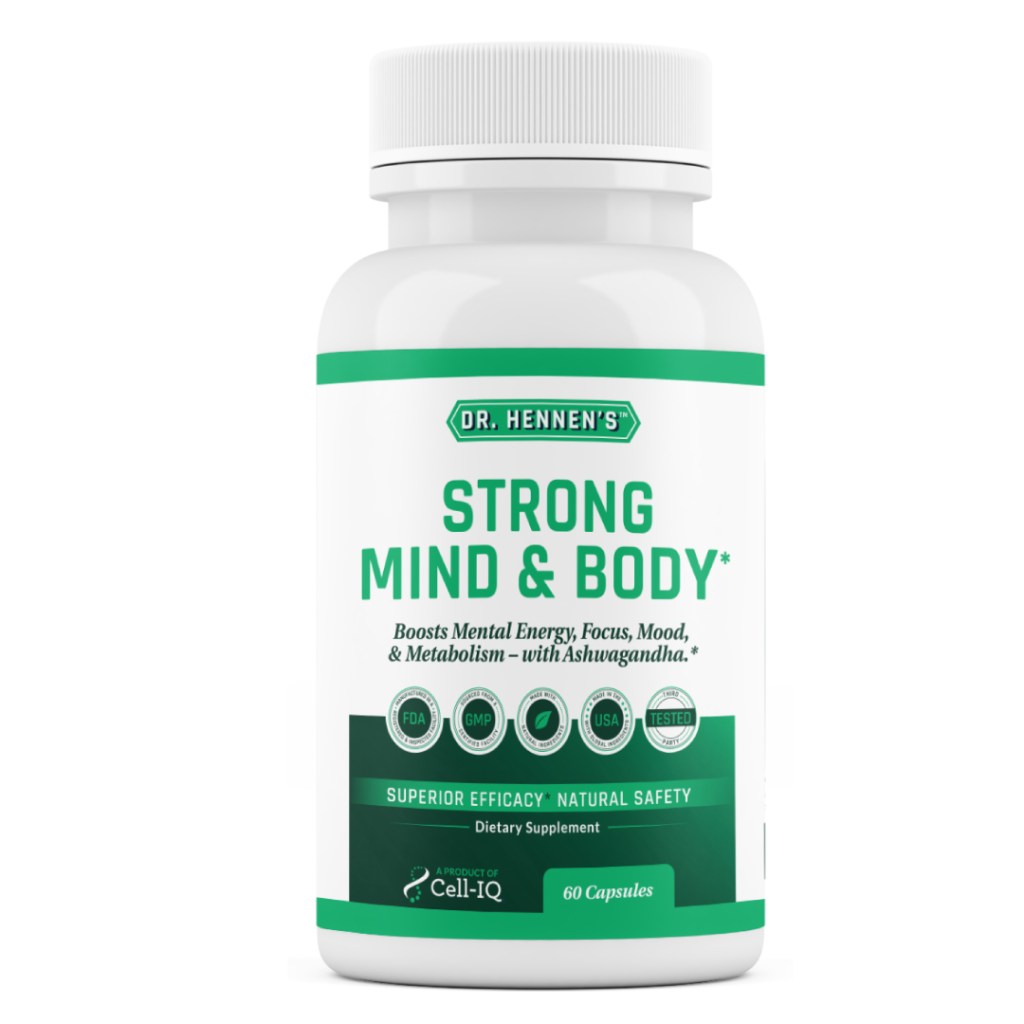
Specific Health Benefits of Taking a Calcium Supplement
Calcium supplementation provides evidence-based benefits across multiple body systems, ranging from well-established bone health support to emerging benefits for cardiovascular function, muscle health, and disease prevention. Understanding these benefits—along with optimal dosing, timing, and safety considerations—helps maximize calcium’s therapeutic potential while minimizing risks.
1 Primary Health Benefits
1.1 Bone Health and Fracture Prevention
Calcium supplementation provides the strongest evidence-based benefits for bone health, particularly in older adults and those with inadequate dietary intake. Multiple meta-analyses demonstrate that calcium supplements significantly improve bone mineral density (BMD) and reduce fracture risk when used appropriately.
Meta-analysis findings show that calcium supplementation reduces total fracture risk by 12% across 17 studies involving 52,625 participants, with 63 patients needing treatment for 3.5 years to prevent one fracture[1]. The benefits are particularly pronounced in specific populations:
- Adults over 70: 24% fracture risk reduction
- Those with low baseline calcium intake (<700 mg/day): 20% risk reduction
- Residential care residents: 24% fracture risk reduction
- Those with adequate compliance (>80%): 25% fracture risk reduction[2]
Young adults also benefit significantly from calcium supplementation. A comprehensive meta-analysis of individuals under 35 years found that calcium supplementation significantly improved BMD at multiple skeletal sites, with effects lasting at least one year after supplementation ended[3]. The benefits were greatest when combined with vitamin D and in those with initially low calcium intake.
1.2 Cardiovascular Benefits
Calcium supplementation provides modest but clinically meaningful cardiovascular benefits, particularly for blood pressure reduction. The most comprehensive evidence comes from Cochrane reviews and large meta-analyses showing consistent blood pressure-lowering effects.
Systematic reviews demonstrate that calcium supplementation reduces both systolic and diastolic blood pressure. A 2021 meta-analysis of 18 trials (3,140 participants) found calcium supplementation reduced systolic blood pressure by 1.37 mmHg and diastolic blood pressure by 1.45 mmHg[4][5]. The effects were more pronounced in:
- Younger adults (<35 years): 1.86 mmHg systolic reduction
- Higher doses (≥1,500 mg/day): 2.79 mmHg systolic reduction
- Those with initially low calcium intake
Mechanisms underlying cardiovascular benefits include enhanced nitric oxide production, reduced arterial stiffness, and improved endothelial function. Calcium also helps regulate muscle contraction in blood vessels and supports normal heart rhythm[6][7].
1.3 Muscle Function and Contraction
Calcium plays a fundamental role in muscle function, serving as the key trigger for muscle contraction and relaxation. When nerve signals reach muscle fibers, calcium ions are released from the sarcoplasmic reticulum, binding to troponin and allowing actin-myosin interactions that generate muscle contraction[7][8].
Clinical benefits for muscle health include:
- Reduced muscle cramps and spasms, particularly in individuals with inadequate calcium status
- Improved muscle strength and endurance through optimized calcium-dependent cellular processes
- Better exercise recovery due to enhanced muscle relaxation mechanisms
- Prevention of muscle weakness associated with calcium deficiency
Research demonstrates that calcium supplementation can improve muscle function, especially when baseline calcium intake is inadequate. The mineral works synergistically with magnesium and vitamin D to support optimal muscle health[8][9].
2 Reproductive Health Benefits
2.1 Pregnancy and Preeclampsia Prevention
Calcium supplementation provides critical benefits during pregnancy, particularly for preventing preeclampsia—a leading cause of maternal and fetal morbidity and mortality worldwide. The World Health Organization issued a strong recommendation for calcium supplementation in pregnant women based on extensive clinical evidence[10].
Meta-analyses demonstrate that calcium supplementation during pregnancy:
- Reduces preeclampsia risk by 45% (relative risk 0.45, 95% CI 0.31-0.65)
- Decreases pregnancy-induced hypertension by 35% (relative risk 0.65, 95% CI 0.53-0.81)
- Reduces preterm birth risk by approximately 25%
- Number needed to treat: 28 in general population, 7 in high-risk women[11]
Recent research suggests that lower doses may be as effective as WHO recommendations. A major 2024 study involving 22,000 pregnant women found that 500 mg daily calcium was as effective as 1,500 mg daily for preventing preeclampsia and preterm birth, potentially improving feasibility and compliance[12].
2.2 Premenstrual Syndrome (PMS) Relief
Calcium supplementation provides significant relief for premenstrual syndrome symptoms, with multiple randomized controlled trials demonstrating efficacy across physical and emotional symptoms.
Clinical evidence shows that calcium supplementation (500-1,200 mg daily):
- Reduces depression and mood disorders associated with PMS
- Decreases fatigue and energy changes
- Lessens water retention and bloating
- Improves anxiety and irritability
- Reduces appetite changes and food cravings[13][14][15]
The largest clinical trial involved 497 women and found 48% reduction in total luteal symptom scores with 1,200 mg daily calcium supplementation compared to placebo[15]. Even lower doses (500 mg daily) show significant benefits for mood-related PMS symptoms[13].
3 Emerging Health Benefits
3.1 Colorectal Cancer Prevention
Calcium supplementation shows protective effects against colorectal cancer and adenomatous polyps, though the relationship is complex and dose-dependent. The evidence suggests moderate benefits with appropriate dosing.
Meta-analyses of randomized controlled trials demonstrate:
- 26% reduction in colorectal adenoma recurrence (OR 0.74, 95% CI 0.58-0.95) with calcium supplementation of 1,200-2,000 mg daily[16]
- Dietary calcium intake >1,000 mg/day reduces colorectal cancer risk by 37% and colon cancer risk by 50%[17]
- Each 100 mg daily increase in dietary calcium lowers colorectal cancer risk by 5%[17]
Mechanisms of cancer protection include calcium’s ability to bind bile acids in the intestines, reducing epithelial cell proliferation and protecting the integrity of the mucous membrane[17][18].
Important considerations: Very high doses (≥1,200 mg/day) may increase risk of serrated adenomas, highlighting the importance of appropriate dosing[19][18].
3.2 Gastrointestinal Health Support
Calcium provides multiple benefits for digestive health beyond cancer prevention, supporting overall gastrointestinal function and integrity.
Benefits include:
- Acid neutralization: Calcium carbonate serves as an effective antacid for treating heartburn and indigestion[20]
- Digestive enzyme support: Calcium activates several digestive enzymes and supports proper gastric function
- Intestinal barrier support: Helps maintain intestinal membrane integrity and reduces inflammation
- Phosphate binding: In kidney disease patients, calcium supplements effectively control high phosphate levels[20]
4 Optimal Dosing and Administration
4.1 Recommended Daily Amounts
Standard recommendations vary by age, sex, and health status:
| Population | Daily Calcium Requirement |
| Adults 19-50 years | 1,000 mg[21][22] |
| Women >50 years | 1,200 mg[21][22] |
| Men >70 years | 1,200 mg[21][22] |
| Pregnant/lactating women | 1,000-1,300 mg[23] |
International recommendations vary significantly, with the World Health Organization recommending 500 mg daily and the UK setting goals at 700 mg daily, suggesting that individual needs may be lower than US recommendations[24].
4.2 Absorption Optimization
Calcium absorption is optimized through several strategies:
Dose splitting: Take no more than 500 mg elemental calcium at one time for maximum absorption. Higher single doses result in proportionally less calcium being absorbed[25][26].
Timing considerations:
- Calcium carbonate: Take with meals to enhance absorption and reduce gastrointestinal side effects
- Calcium citrate: Can be taken with or without food due to better acid-independent absorption[27][25]
- Separate from other supplements: Take calcium separately from iron, zinc, and magnesium supplements to prevent absorption interference[26]
Vitamin D synergy: Calcium absorption increases from 10-15% to 30-40% when vitamin D status is adequate. Most experts recommend combining calcium with 600-800 IU vitamin D daily[28][23].
Conclusion
Calcium supplementation provides well-documented benefits for bone health, cardiovascular function, muscle performance, and reproductive health when used appropriately. The strongest evidence supports its use for fracture prevention in older adults, blood pressure reduction, preeclampsia prevention in pregnancy, and PMS symptom relief.
- https://jamanetwork.com/journals/jamainternalmedicine/fullarticle/414616
- https://pmc.ncbi.nlm.nih.gov/articles/PMC3257715/
- https://elifesciences.org/articles/79002
- https://www.obgproject.com/2021/11/07/2021-updated-cochrane-review-does-calcium-supplementation-reduce-blood-pressure/
- https://pmc.ncbi.nlm.nih.gov/articles/PMC8748265/
- https://www.medicalnewstoday.com/articles/248958
- https://liquidhealth.us/blogs/article/role-of-calcium-in-muscle-contraction-and-relaxation
- https://windyridgechiropractic.com/the-muscle-whisperers-how-calcium-and-magnesium-keep-you-moving/
- https://www.uhhospitals.org/blog/articles/2023/07/should-you-take-a-daily-calcium-supplement
- https://pmc.ncbi.nlm.nih.gov/articles/PMC4785477/
- https://www.aafp.org/pubs/afp/issues/2015/1001/p570.html
- https://hsph.harvard.edu/news/preeclampsia-and-preterm-birth-risk-may-be-reduced-by-calcium-dose-lower-than-current-who-standard/
- https://pmc.ncbi.nlm.nih.gov/articles/PMC5313351/
- https://pubmed.ncbi.nlm.nih.gov/19574172/
- https://jamanetwork.com/journals/jamainternalmedicine/fullarticle/486599
- https://pmc.ncbi.nlm.nih.gov/articles/PMC8719254/
- https://pmc.ncbi.nlm.nih.gov/articles/PMC6276611/
- https://pmc.ncbi.nlm.nih.gov/articles/PMC9692441/
- https://www.med.unc.edu/medicine/news/calcium-supplements-may-increase-the-risk-of-bowel-lesions/
- https://www.webmd.com/vitamins/ai/ingredientmono-781/calcium
- https://www.bonehealthandosteoporosis.org/patients/treatment/calciumvitamin-d/
- https://www.mayoclinic.org/healthy-lifestyle/nutrition-and-healthy-eating/in-depth/calcium-supplements/art-20047097
- https://www.hopkinsmedicine.org/health/wellness-and-prevention/vitamin-d-and-calcium
- https://www.health.harvard.edu/staying-healthy/how-much-calcium-do-you-really-need
- https://www.goodrx.com/calcium-carbonate/calcium-carbonate-vs-calcium-citrate
- https://www.mayoclinic.org/healthy-lifestyle/nutrition-and-healthy-eating/expert-answers/calcium-supplements/faq-20058238
- https://wearefeel.com/en-us/blogs/learn/best-form-of-calcium-carbonate-vs-citrate
- https://pmc.ncbi.nlm.nih.gov/articles/PMC2669834/
Calcium Supplements & Heart Health: What They Really Do
Key takeaway: A daily calcium supplement (∼500–1 000 mg elemental calcium) provides modest, clinically measurable cardiovascular support—chiefly a small reduction in blood pressure and better endothelial (blood-vessel) function—when dietary calcium is low. Benefits plateau above ≈1 000 mg/day, and excessive supplementation (>1 500 mg/day) may offset gains by increasing vascular calcification risk.
How Calcium Affects the Cardiovascular System
| Physiological target | Calcium’s role | Clinical relevance |
| Vascular smooth muscle | Competes with intracellular sodium, lowers vasoconstrictor sensitivity | Helps reduce peripheral resistance and blood pressure |
| Endothelium (inner vessel lining) | Enhances nitric-oxide–mediated relaxation and endothelial hyperpolarization | Improves arterial flexibility and flow-mediated dilation |
| Cardiac muscle & conduction | Critical ion for excitation-contraction coupling and normal rhythm | Maintains contractility; deficiency predisposes to QT prolongation |
| Renin–angiotensin axis | High‐calcium diets down-regulate renin release | Additional antihypertensive effect |
Evidence-Based Cardiovascular Benefits
| Benefit | Typical supplement dose & duration | Pooled effect size | Quality of evidence |
| Lower systolic blood pressure | 800–1 200 mg/day, ≥8 weeks | −1.37 mmHg (95% CI −2.08 to −0.66)[1][2] | High (Cochrane, 3 140 participants) |
| Lower diastolic blood pressure | Same | −1.45 mmHg (95% CI −2.23 to −0.67)[1][2] | High |
| Stronger effect when baseline intake ≤ 800 mg/day | 1 200 mg/day | −2.63 / −1.30 mmHg systolic/diastolic[3] | Moderate |
| Improved endothelial-dependent vasodilation | 2% extra dietary Ca in hypertensive rats (human ≈1 000 mg) | Normalised acetylcholine-induced relaxation, reduced cardiac hypertrophy[4] | Pre-clinical supportive |
| Reduced endothelial activation & inflammation | 1 mmol/L extracellular Ca increase in vitro | Blocked IL-6–induced endothelial activation via NO synthase pathway[5] | Translational evidence |
| Lower ischemic heart disease mortality (observational) | >500 mg supplemental Ca daily | Relative risk 0.69 (95% CI 0.52–0.92)[6] | Moderate, cohort data |
| Pregnancy-specific: ↓ pre-eclampsia & gestational hypertension | 1 000–1 500 mg/day from mid-pregnancy | 45% risk reduction for pre-eclampsia[7] | High |
Magnitude matters: a 2 mmHg population-wide fall in systolic BP translates into ≈ 4% fewer coronary deaths and 6% fewer strokes long-term.
Who Stands to Benefit Most
- Adults with low dietary calcium (<700 mg/day) – largest BP and endothelial gains[3][2].
- Pre-hypertensive or salt-sensitive individuals – calcium blunts sodium-driven vasoconstriction[4].
- Pregnant women with low calcium intake – supplements halve pre-eclampsia risk, indirectly protecting maternal cardiovascular health[7][8].
- Patients on chronic acid-suppressive therapy – reduced Ca absorption from food makes supplementation more impactful.
Dosing & Practical Tips
- Aim for total calcium (diet + supplement) 1 000–1 200 mg/day.
- Split larger doses; absorbency peaks at ≤500 mg elemental calcium per sitting.
- Take carbonate with meals; citrate absorbs with or without food and suits achlorhydria.
- Pair with 800–1 000 IU vitamin D to optimize absorption and minimize secondary hyperparathyroidism.
Conclusion
Appropriately dosed calcium supplementation remains a safe, evidence-supported tool for fine-tuning cardiovascular health—chiefly through gentle blood-pressure control and healthier vessel function—provided intake stays within physiologic limits.
- https://www.obgproject.com/2021/11/07/2021-updated-cochrane-review-does-calcium-supplementation-reduce-blood-pressure/
- https://www.cochrane.org/evidence/CD010037_kalsium-tambahan-untuk-mencegah-tekanan-darah-tinggi
- https://www.nature.com/articles/1002038
- https://www.ahajournals.org/doi/10.1161/01.CIR.93.5.1000?doi=10.1161%2F01.CIR.93.5.1000
- https://pubmed.ncbi.nlm.nih.gov/23822977/
- https://pmc.ncbi.nlm.nih.gov/articles/PMC10159251/
- https://pubmed.ncbi.nlm.nih.gov/30277579/
- https://www.nature.com/articles/s41440-025-02144-9
Adding Calcium to Stress Management Supplements: Specific Benefits
Key Takeaway: Adding calcium to a stress management supplement provides synergistic neurochemical support that enhances the efficacy of other stress-reducing ingredients through multiple complementary mechanisms. Calcium acts as a foundational mineral that supports neurotransmitter release, stabilizes cellular membranes, modulates cortisol responses, and creates optimal conditions for other stress-fighting compounds to work more effectively.
1 Primary Synergistic Benefits of Calcium in Stress Formulations
1.1 Enhanced Neurotransmitter Function
Calcium serves as a critical cofactor for neurotransmitter release at synapses, making it an ideal foundation for stress supplements that include ingredients targeting mood and anxiety. Research demonstrates that calcium influx through presynaptic channels facilitates GABA release from hippocampal interneurons[1], while also supporting serotonin synthesis and release mechanisms[2].
When calcium is combined with stress-targeting compounds like:
- L-theanine + Calcium: Calcium optimizes the GABAergic pathways that L-theanine enhances, creating more effective relaxation responses[3][4]
- Magnesium + Calcium: The two minerals work synergistically to control nerve impulses and muscle contraction, with magnesium facilitating calcium absorption while calcium supports the cellular processes magnesium initiates[5][6]
- B-Complex + Calcium: Calcium supports the enzymatic processes that B vitamins facilitate, particularly in neurotransmitter synthesis pathways involving serotonin and GABA[7][8]
1.2 Cortisol Response Modulation
Calcium provides buffering effects against cortisol-induced stress responses through multiple mechanisms. Elevated cortisol levels prompt calcium release from bones into the bloodstream[9], but adequate supplemental calcium helps maintain this balance and prevents the stress-induced calcium depletion that can worsen anxiety responses.
Research shows that calcium helps modulate the hypothalamic-pituitary-adrenal (HPA) axis[10][11], particularly by:
- Stabilizing cellular membranes during stress responses
- Supporting proper calcium channel function that regulates cortisol receptor sensitivity
- Maintaining calcium homeostasis that chronic stress disrupts
When combined with cortisol-targeting ingredients like phosphatidylserine or ashwagandha, calcium enhances their effectiveness by providing the cellular stability these compounds need to modulate stress hormone responses optimally[12][13].
1.3 Membrane Stabilization for Adaptogen Efficacy
Calcium plays a fundamental role in cellular membrane stability, which is crucial for the effectiveness of adaptogenic compounds. Adaptogens work by modulating cellular stress responses and membrane-bound receptor activity[14][15], and adequate calcium levels ensure these membranes maintain proper function under stress.
This is particularly beneficial when calcium is combined with:
- Ashwagandha: Calcium supports the cellular membrane integrity needed for ashwagandha’s withanolides to effectively modulate stress receptors[16][17]
- Rhodiola: The salidroside and rosavin compounds in rhodiola work through membrane-bound pathways that require optimal calcium levels for maximum efficacy[18][19]
- Adaptogenic blends: Complex formulations benefit from calcium’s stabilizing effects on the multiple cellular pathways these herbs target[20][21]
2 Specific Formulation Advantages
2.1 Improved Bioavailability and Absorption
Calcium enhances the absorption and utilization of other stress-supporting nutrients through several mechanisms:
- pH regulation: Calcium carbonate can optimize stomach pH for better absorption of other nutrients[6]
- Mineral transport: Calcium supports the cellular transport mechanisms that move other minerals across cell membranes[22]
- Enzymatic cofactor support: Many stress-fighting compounds require calcium-dependent enzymes for optimal metabolism[2]
Studies on nutrient synergy demonstrate that minerals work together to enhance each other’s effectiveness, with calcium serving as a foundational element that supports multiple metabolic pathways[23][24].
2.2 Enhanced Sleep and Recovery Support
Calcium’s role in muscle relaxation and nervous system regulation makes it particularly valuable in stress formulations targeting sleep and recovery. Calcium works with melatonin and other sleep hormones to promote restorative sleep patterns[25], which is essential for stress recovery.
When combined with sleep-supporting ingredients like:
- Magnesium: The calcium-magnesium combination provides comprehensive muscle and nervous system relaxation[5][3]
- GABA: Calcium facilitates GABA’s inhibitory effects on the nervous system[26][27]
- L-theanine: Both minerals support the relaxed-but-alert state that L-theanine promotes[3][28]
2.3 Hormonal Balance Support
Calcium influences multiple hormone systems beyond cortisol, making it valuable for comprehensive stress management. Research shows calcium affects:
- Parathyroid hormone regulation: Stress increases PTH levels, and adequate calcium helps maintain balance[29]
- Insulin sensitivity: Calcium supports glucose metabolism, which stress often disrupts
- Thyroid function: Calcium supports the cellular processes needed for optimal thyroid hormone function[25]
This broad hormonal support enhances the effectiveness of stress supplements by addressing multiple pathways simultaneously.
3 Optimal Formulation Considerations
3.1 Dosage and Form Selection
For stress management formulations, 300-600 mg of elemental calcium provides optimal benefits without overwhelming other nutrients. Calcium citrate or bis-glycinate forms offer better absorption and fewer gastrointestinal effects compared to calcium carbonate[30].
3.2 Timing and Synergy Ratios
Research on nutrient synergy suggests 2:1 or 3:1 magnesium-to-calcium ratios work well in stress formulations, allowing both minerals to enhance each other’s stress-fighting properties without competition for absorption[5][23].
3.3 Complementary Ingredient Selection
Calcium works particularly well with:
- Magnesium: For nervous system and muscle support
- Vitamin D: To optimize calcium absorption and utilization
- B-complex vitamins: To support calcium-dependent enzymatic processes
- Adaptogenic herbs: To provide cellular stability for herb effectiveness
3.4 Safety and Quality Considerations
Calcium supplementation in stress formulations is generally safe when properly dosed, but important considerations include:
- Laboratory test interference: High calcium can affect certain blood tests, requiring 72-hour discontinuation before testing[5]
- Medication interactions: Calcium can affect absorption of thyroid medications, antibiotics, and other supplements[5]
- Individual variation: Some people may need higher or lower amounts based on dietary intake and stress levels
4 Practical Implementation
4.1 Target Populations
Calcium-enhanced stress formulations are particularly beneficial for:
- Individuals with high stress levels who may be depleting calcium reserves
- People with inadequate dietary calcium intake (<700 mg daily from food)
- Those using multiple stress-fighting supplements who want enhanced synergy
- Athletes or high-performers experiencing both physical and mental stress
4.2 Expected Outcomes
When properly formulated, calcium-enhanced stress supplements typically provide:
- Enhanced relaxation responses within 30-60 minutes of taking
- Improved stress resilience after 2-4 weeks of consistent use
- Better sleep quality and recovery within the first week
- More stable mood and energy throughout the day
4.3 Formulation Strategy
The most effective stress formulations use calcium as a foundational element rather than the primary active ingredient, allowing it to enhance the efficacy of other stress-targeting compounds while providing its own direct benefits for nervous system function and stress response regulation.
Adding calcium to stress management supplements creates a synergistic foundation that enhances the effectiveness of other stress-fighting ingredients while providing direct benefits for neurotransmitter function, cortisol regulation, and cellular stability. This approach maximizes the therapeutic potential of stress formulations while supporting the multiple physiological systems that chronic stress affects.
- https://pubmed.ncbi.nlm.nih.gov/15541891/
- https://www.frontiersin.org/articles/10.3389/fcell.2022.980219/full
- https://www.health.com/l-theanine-and-magnesium-8639718
- https://www.verywellhealth.com/l-theanine-and-magnesium-8649356
- https://www.health.com/calcium-and-magnesium-8425841
- https://www.traceminerals.com/blogs/post/stress-relief-supplements
- https://www.nowfoods.com/products/supplements/cal-mag-stress-formula-tablets
- https://store.mayoclinic.com/thorne-stress-b-complex.html
- https://fracturehealing.ca/the-surprising-connection-between-stress-and-bone-health/
- https://pmc.ncbi.nlm.nih.gov/articles/PMC4867107/
- https://pmc.ncbi.nlm.nih.gov/articles/PMC5395581/
- https://pmc.ncbi.nlm.nih.gov/articles/PMC2503954/
- https://pmc.ncbi.nlm.nih.gov/articles/PMC4508628/
- https://pmc.ncbi.nlm.nih.gov/articles/PMC3991026/
- https://pmc.ncbi.nlm.nih.gov/articles/PMC6240259/
- https://journals.lww.com/md-journal/fulltext/2019/09130/an_investigation_into_the_stress_relieving_and.67.aspx
- https://ods.od.nih.gov/factsheets/Ashwagandha-HealthProfessional/
- https://www.mindlabpro.com/blogs/nootropics/rhodiola-for-adrenal-fatigue
- https://www.health.com/rhodiola-rosea-8605212
- https://www.supersmart.com/en/shop/strengthening-organism/adaptogenic-potion-supplement-0799
- https://www.restorativeformulations.com/Adaptogen_US
- https://pmc.ncbi.nlm.nih.gov/articles/PMC10420380/
- https://pmc.ncbi.nlm.nih.gov/articles/PMC10600480/
- https://www.frontiersin.org/journals/nutrition/articles/10.3389/fnut.2023.1279925/full
- https://gettherapybirmingham.com/calcium-for-mental-health/
- https://pmc.ncbi.nlm.nih.gov/articles/PMC7527439/
- https://pmc.ncbi.nlm.nih.gov/articles/PMC10741010/
- https://pmc.ncbi.nlm.nih.gov/articles/PMC11263523/
- https://pmc.ncbi.nlm.nih.gov/articles/PMC7797546/
- https://www.codeage.com/blogs/education/calcium-supplements-a-comprehensive-analysis
 Dr. Hennen Labs