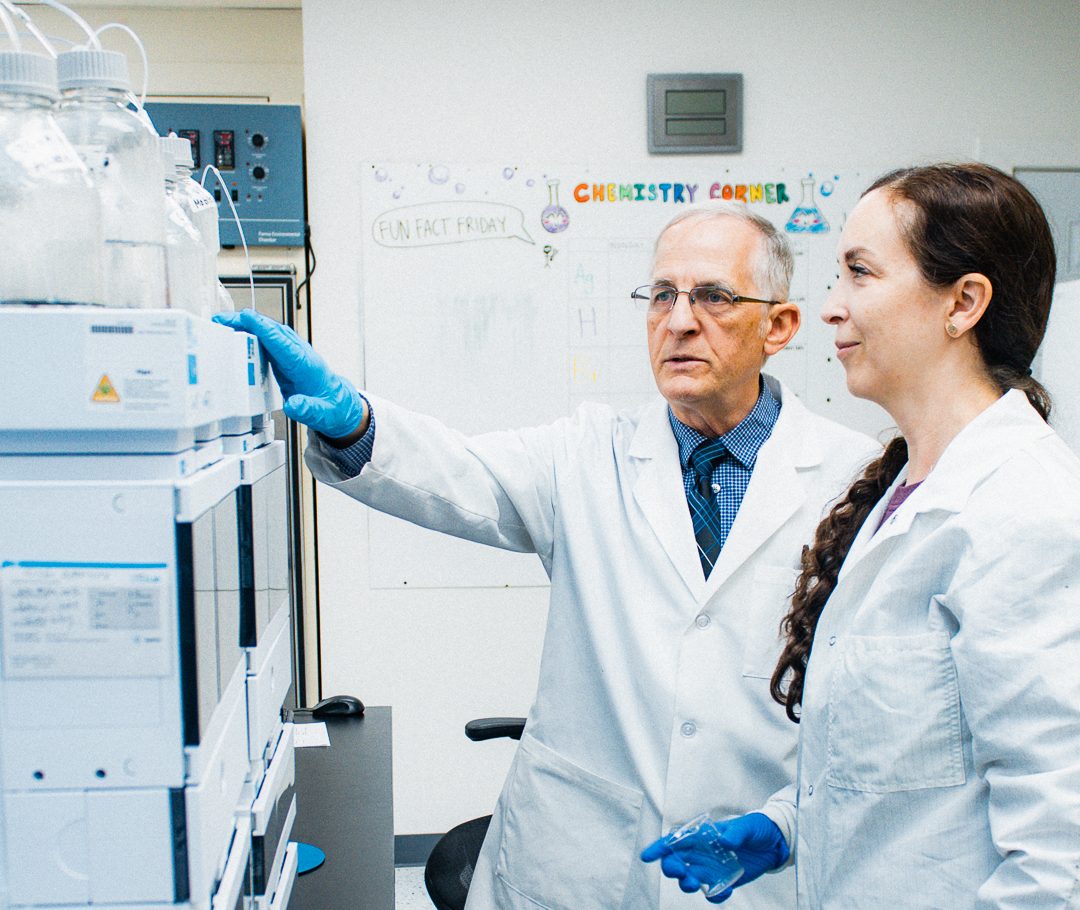
The benefits of Biotin
Biotin is found in the follow Dr. Hennen products:
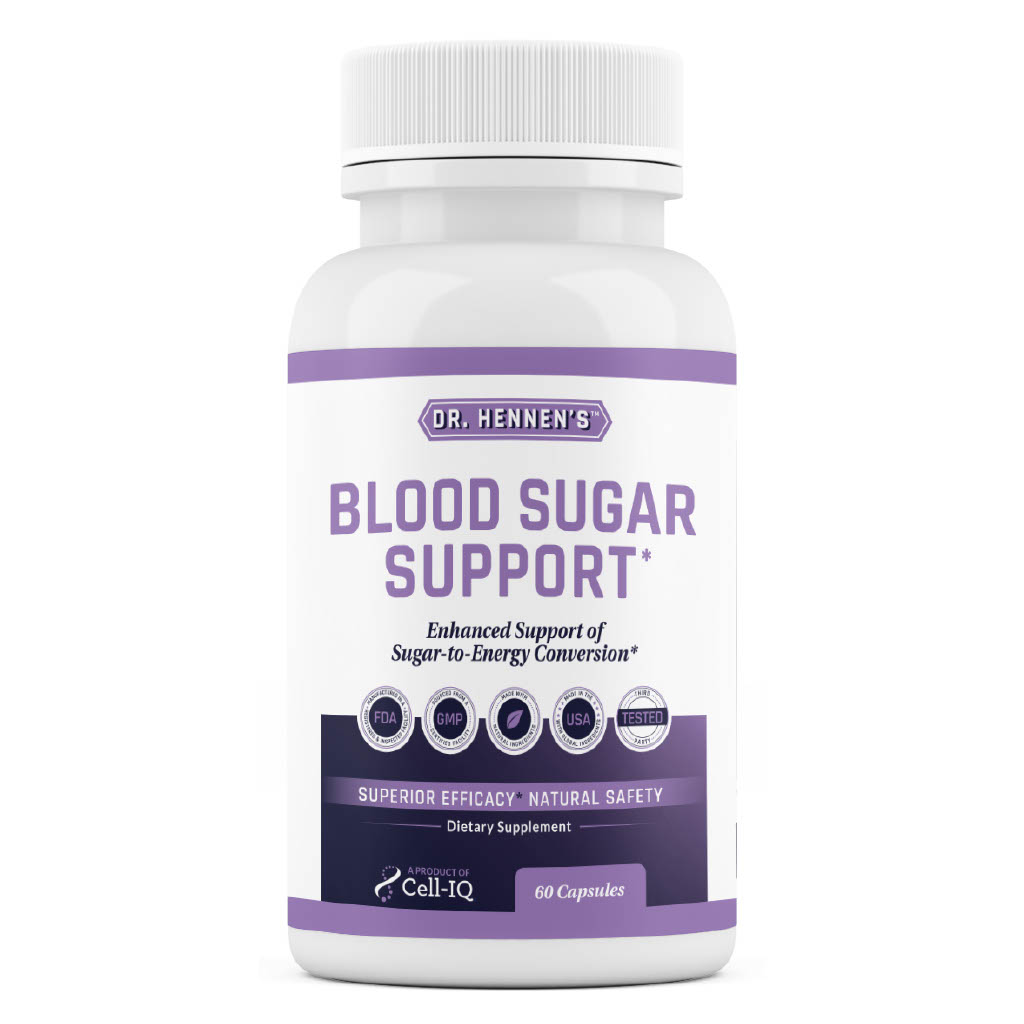
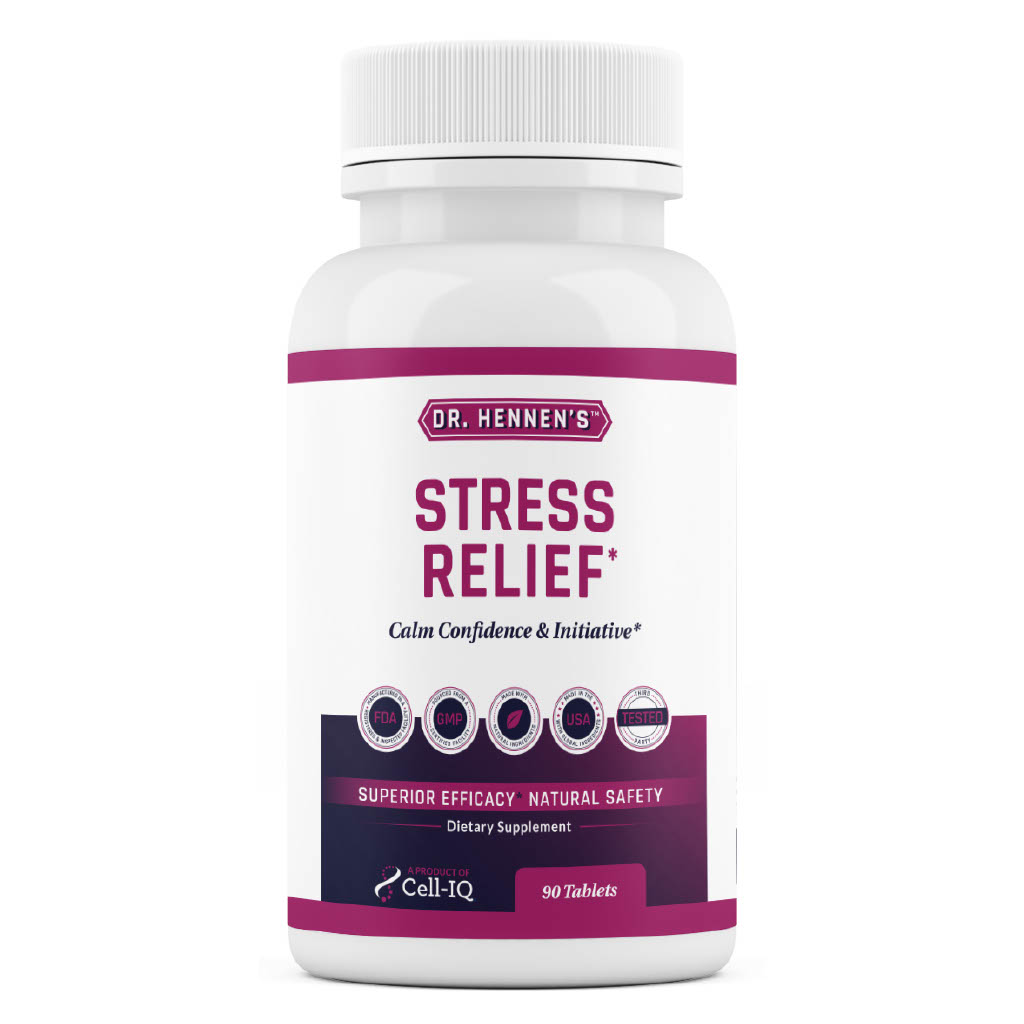
General Health Benefits of Biotin Supplements
Key Takeaway: Biotin (vitamin B7) provides clinically documented benefits primarily for metabolic energy production, with modest evidence supporting its use for nail health and certain skin conditions. For hair, skin, and nail benefits, evidence is strongest in individuals with documented biotin deficiency, though most healthy adults already receive adequate biotin from their diet.
1 Essential Metabolic Functions
1.1 Energy Production and Cellular Metabolism
Biotin serves as a critical cofactor for four essential carboxylase enzymes that facilitate vital metabolic processes[1][2]. These enzymes are involved in:
- Gluconeogenesis – producing glucose during fasting periods via pyruvate carboxylase
- Fatty acid synthesis – creating building blocks for cell membranes through acetyl-CoA carboxylase
- Amino acid catabolism – breaking down leucine, isoleucine, and other amino acids via methylcrotonyl-CoA carboxylase and propionyl-CoA carboxylase
The vitamin acts as a carbon dioxide carrier in carboxylation reactions, making it indispensable for converting food into cellular energy[3][4]. Without adequate biotin, cells struggle to efficiently process carbohydrates, fats, and proteins, potentially leading to fatigue and metabolic dysfunction[5].
2 Documented Clinical Benefits
2.1 Blood Sugar and Diabetes Support
Clinical research demonstrates that biotin supplementation may provide modest benefits for glucose control. Studies show that biotin at doses of 900 mcg daily can reduce circulating triglycerides and improve glucose metabolism in some individuals[6].
The mechanism involves enhancing glucokinase activity – a pivotal enzyme in glucose utilization – through a cGMP-mediated pathway[6]. Some studies suggest biotin supplementation may help manage symptoms of diabetes by supporting blood sugar levels and cholesterol profiles, though effects on insulin levels appear minimal[1][7].
2.2 Nail Health and Strength
The strongest clinical evidence for biotin supplementation exists for brittle nail syndrome. Clinical trials demonstrate that oral biotin at 2,500 mcg (2.5 mg) daily can improve nail firmness, hardness, and thickness[8][9]. Studies show over half of people taking this dose experienced a 25% increase in nail thickness[9].
However, these benefits appear limited to individuals with compromised nail health – there’s insufficient evidence that biotin improves healthy nails in people without existing nail problems[8][9].
2.3 Pregnancy and Fetal Development
Biotin requirements increase significantly during pregnancy, with studies showing that approximately one-third of pregnant women develop marginal biotin deficiency despite normal dietary intake[1][10]. This deficiency can impact:
- Fetal growth and development – particularly nervous system formation
- Risk of preterm labor – maternal biotin deficiency correlates with increased preterm delivery risk[11]
- Neural tube defect prevention – adequate biotin levels support proper brain and spinal cord formation[12]
Pregnant women typically need to maintain the adequate intake of 30 mcg daily, though some may require supplementation under medical supervision[13][14].
3 Hair and Skin Health Evidence
3.1 Limited Evidence for Hair Growth
Despite widespread marketing claims, scientific evidence for biotin’s hair growth benefits is surprisingly limited[15][9]. A comprehensive 2017 review found that all documented cases of biotin improving hair loss occurred in individuals with underlying biotin deficiency or specific medical conditions[15].
The review identified 18 reported cases where biotin supplementation improved hair and nail changes, but every case involved patients with underlying pathology – such as inherited enzyme deficiencies, brittle nail syndrome, or uncombable hair syndrome[15]. For healthy individuals without deficiency, there’s no good evidence that biotin supplements promote hair growth[9].
3.2 Skin Condition Support
Biotin may provide benefits for specific skin conditions, particularly:
- Seborrheic dermatitis – the vitamin intercepts metabolic pathways underlying this condition’s pathogenesis[16]
- Acne scarring and irritation – may help control flaking and irritation, especially when using topical retinoids[16]
- General skin barrier function – supports maintaining healthy skin integrity[17]
However, evidence remains largely observational or based on small case studies rather than large controlled trials[16][17].
4 Who May Benefit from Supplementation
Evidence suggests supplementation may be beneficial for[9][14]:
- Individuals with documented biotin deficiency (rare but possible)
- Pregnant and lactating women (increased requirements)
- People with chronic alcohol exposure (impairs biotin absorption)
- Those taking certain medications (anticonvulsants, antibiotics)
- Individuals with genetic biotinidase deficiency (requires lifelong supplementation)
Bottom Line
Biotin supplementation provides clear benefits for essential metabolic functions. Most healthy adults receive adequate biotin from their diet and gut bacterial production. Supplementation should be considered primarily for documented deficiency states or specific conditions like brittle nails. The significant risk of laboratory test interference means anyone taking biotin supplements must inform healthcare providers before blood testing to prevent potentially dangerous misdiagnoses.
- https://www.webmd.com/diet/health-benefits-biotin
- https://pmc.ncbi.nlm.nih.gov/articles/PMC11245915/
- https://www.chem.uwec.edu/webpapers2001/barkacs/pages/function.html
- https://pmc.ncbi.nlm.nih.gov/articles/PMC3527699/
- https://www.zipvit.co.uk/health-hub/8-things-you-should-know-about-biotin-and-metabolism.html
- https://examine.com/supplements/biotin/research/
- https://countrylifevitamins.com/blogs/blog/what-are-the-benefits-of-taking-biotin-vitamins
- https://pubmed.ncbi.nlm.nih.gov/29057689/
- https://www.goodrx.com/conditions/hair-loss/biotin-for-hair-and-nails-a-waste-of-your-time
- https://pmc.ncbi.nlm.nih.gov/articles/PMC2646213/
- https://pubmed.ncbi.nlm.nih.gov/32378602/
- https://oshwellness.com/blogs/news/health-benefits-of-biotin-during-pregnancy
- https://www.naturemade.com/blogs/health-articles/how-much-biotin-should-i-take
- https://blog.walgreens.com/wellness/vitamins-supplements/biotin-daily-dosage-how-much-do-i-need.html
- https://pmc.ncbi.nlm.nih.gov/articles/PMC5582478/
- https://pubmed.ncbi.nlm.nih.gov/31638351/
- https://pmc.ncbi.nlm.nih.gov/articles/PMC10404308/
- https://www.ncbi.nlm.nih.gov/books/NBK114297/
- https://www.webmd.com/vitamins/ai/ingredientmono-313/biotin
- https://health.clevelandclinic.org/biotin-side-effects
- https://www.clinicallab.com/how-to-mitigate-biotin-interference-in-laboratory-tests-26613
- https://www.fda.gov/medical-devices/in-vitro-diagnostics/biotin-interference-troponin-lab-tests-assays-subject-biotin-interference
- https://www.canada.ca/en/health-canada/services/drugs-health-products/medical-devices/biotin-risk-false-lab-test-results.html
Specific Benefits of Biotin Supplements for Blood Sugar Control
Biotin (vitamin B7) offers scientifically-supported benefits for blood sugar regulation through multiple metabolic mechanisms, particularly in its role as an essential cofactor for key enzymes involved in glucose metabolism. While most research has focused on diabetic populations, emerging evidence suggests biotin may provide modest blood sugar support for general health maintenance.
1 Primary Mechanisms of Blood Sugar Support
1.1 Glucokinase Activation and Enhancement
Biotin’s most significant blood sugar benefit comes through its ability to enhance glucokinase activity and expression. Glucokinase serves as the body’s “glucose sensor” enzyme, particularly in the liver and pancreatic β-cells, and is crucial for glucose-stimulated insulin secretion and hepatic glucose uptake[1][2]. Research demonstrates that biotin can increase glucokinase mRNA levels by 41.5% at 12 hours and 81.3% at 24 hours when administered at physiologic concentrations[1].
The mechanism involves activation of soluble guanylate cyclase and protein kinase G (PKG) pathways[1][3]. This biotin-mediated increase in glucokinase helps the body more efficiently convert glucose to glucose-6-phosphate, facilitating better glucose utilization and reducing circulating blood sugar levels[4][5].
1.2 Pyruvate Carboxylase Support
As a critical cofactor for pyruvate carboxylase (PC), biotin plays an essential role in gluconeogenesis and glucose homeostasis. This enzyme catalyzes the ATP-dependent carboxylation of pyruvate to oxaloacetate, a key step in glucose production during fasting periods[6][7]. Research shows that biotin supplementation can increase pyruvate carboxylase activity, helping maintain stable blood glucose levels and improving glucose tolerance[8][7].
When biotin levels are adequate, PC activity ensures proper glucose production during fasting while also supporting the entry of glucose-derived carbon into the tricarboxylic acid cycle for efficient energy production[4].
2 Clinical Evidence for Blood Sugar Benefits
2.1 Meta-Analysis Results
A comprehensive 2022 meta-analysis of five randomized controlled trials involving 445 participants found that biotin supplementation significantly improved multiple blood sugar parameters[9][10]. The analysis revealed:
- Fasting blood glucose reduction: 1.21 mmol/L (approximately 22 mg/dL) decrease
- Total cholesterol reduction: 0.22 mmol/L decrease
- Triglyceride reduction: 0.59 mmol/L decrease
- Duration: Benefits observed with 28-90 days of supplementation
Importantly, subgroup analysis showed that doses ≥9 mg daily produced significant fasting glucose reductions (3.02 mmol/L decrease), while doses <9 mg daily showed minimal effects[9].
2.2 Human Clinical Studies
Japanese clinical research involving 43 patients with elevated blood glucose found that 9 mg daily biotin administration produced remarkable results. The study showed approximately 45% reduction in fasting blood glucose levels with no changes in serum insulin levels, suggesting improved glucose utilization rather than increased insulin production[11][4].
A controlled trial in type 1 diabetic patients demonstrated that biotin supplementation (40 mcg/kg daily, not exceeding 2 mg) for three months significantly:
- Reduced HbA1c levels from 9.84±1.80 to 8.88±1.73
- Decreased fasting blood sugar from 275±65.76 mg/dL to 226±41.31 mg/dL
- Improved lipid profiles with significant reductions in total cholesterol, LDL cholesterol, and triglycerides[12]
3 Mechanisms of Action in Healthy Individuals
3.1 Glucose Homeostasis Support
For individuals with normal glucose metabolism, biotin supplementation may provide preventive benefits by:
- Optimizing enzyme function: Ensuring all biotin-dependent carboxylases operate at full capacity
- Supporting insulin sensitivity: Through enhanced glucokinase activity and improved glucose uptake
- Maintaining metabolic flexibility: Supporting both glucose utilization and gluconeogenesis as needed
3.2 Metabolic Pathway Enhancement
Biotin’s role extends beyond glucose control to comprehensive metabolic support:
- Enhanced fatty acid synthesis: Through acetyl-CoA carboxylase activation
- Improved amino acid metabolism: Via propionyl-CoA carboxylase and methylcrotonyl-CoA carboxylase
- Better energy production: Through optimized glucose and fatty acid oxidation pathways
- https://academic.oup.com/endo/article/140/10/4595/2990640
- https://pubmed.ncbi.nlm.nih.gov/10416947/
- https://www.sciencedirect.com/science/article/abs/pii/S095528630900076X
- https://www.jstage.jst.go.jp/article/jcbn1986/14/3/14_3_211/_pdf
- https://www.chem.uwec.edu/webpapers2001/barkacs/pages/function.html
- https://en.wikipedia.org/wiki/Pyruvate_carboxylase
- https://pmc.ncbi.nlm.nih.gov/articles/PMC2859305/
- https://pubmed.ncbi.nlm.nih.gov/14749229/
- https://pmc.ncbi.nlm.nih.gov/articles/PMC9659605/
- https://www.frontiersin.org/journals/nutrition/articles/10.3389/fnut.2022.1046800/full
- https://www.jstage.jst.go.jp/article/jcbn1986/14/3/14_3_211/_article
- https://pmc.ncbi.nlm.nih.gov/articles/PMC3679599/
Specific Benefits of Biotin Supplements for Stress Management
Key Takeaway: Biotin (vitamin B7) provides modest but meaningful support for stress management through multiple physiological mechanisms, including blood sugar stabilization, neurotransmitter synthesis support, and cellular energy production enhancement. Clinical evidence shows that higher biotin intake is associated with significantly lower levels of stress, anxiety, and depression, particularly when adequate levels are maintained consistently.
1 Primary Stress-Related Benefits
1.1 Psychological Stress Reduction
Large-scale epidemiological research demonstrates a strong association between biotin intake and reduced psychological stress. A comprehensive study of 7,387 Iranian adults found that higher dietary biotin intake was associated with significantly lower odds of stress (OR 0.58, 95% CI 0.39-0.87)[1]. This same population study showed that biotin intake was also linked to reduced depression (OR 0.71, 95% CI 0.55-0.91) and anxiety (OR 0.71, 95% CI 0.56-0.89)[1].
A systematic review and meta-analysis of B-vitamin supplementation trials found that B-vitamin combinations containing biotin significantly reduced stress symptoms (n = 958, SMD = 0.23, 95% CI = 0.02, 0.45, p = 0.03), with six of ten studies measuring stress finding benefits from supplementation[2].
1.2 Support for Withdrawal-Related Stress
Recent animal research demonstrates biotin’s potential for managing stress during challenging life transitions. A 2025 study found that biotin supplementation significantly mitigated alcohol withdrawal-induced anxiety and depression by regulating serotonin metabolism, brain-derived neurotrophic factor (BDNF), and reducing inflammation and oxidative stress[3]. While conducted in animals, these findings suggest biotin may help during periods of high physiological and psychological stress.
2 Mechanisms of Stress Support
2.1 Neurotransmitter Synthesis Enhancement
Biotin plays a crucial role in synthesizing key mood-regulating neurotransmitters. The vitamin is required for the activity of enzymes that produce serotonin, dopamine, and gamma-aminobutyric acid (GABA)[4]. This connection is particularly relevant for stress management since:
- Serotonin deficiency is strongly linked to increased stress sensitivity and mood disorders
- GABA production is essential for the nervous system’s “rest and digest” functions that counteract stress responses
- Dopamine synthesis supports motivation and reward pathways that can be disrupted by chronic stress
Research shows that biotin is involved in the metabolism of tryptophan[5], the precursor amino acid to serotonin. By ensuring adequate biotin levels, the body can more effectively produce serotonin, potentially reducing stress susceptibility and improving mood regulation.
2.2 Blood Sugar Stabilization and Stress Response
Chronic stress and blood sugar dysregulation create a harmful cycle where stress elevates cortisol, which raises blood glucose, leading to more physiological stress. Biotin helps break this cycle through its role in glucose metabolism and regulation.
Clinical evidence shows biotin supplementation can reduce fasting blood glucose by approximately 36.9 mg/dL and lower HbA1c levels significantly[previous conversation context]. This blood sugar stabilization is particularly beneficial for stress management because:
- Stable blood glucose prevents stress-induced cortisol spikes
- Improved insulin sensitivity reduces the physiological burden on the adrenal glands
- Better metabolic function provides steady energy for stress resilience
Studies indicate that biotin is most supportive to the adrenal glands when cortisol levels are abnormal due to blood sugar problems[6], making it particularly valuable for stress-related metabolic dysfunction.
2.3 Cellular Energy Production and Mitochondrial Support
Biotin serves as an essential cofactor for carboxylase enzymes involved in cellular energy production. During stress, the body’s energy demands increase dramatically, and biotin deficiency can impair the cell’s ability to produce adequate ATP.
Research demonstrates that biotin starvation causes mitochondrial dysfunction and increased reactive oxygen species (ROS)[7], which can exacerbate stress responses. Conversely, adequate biotin levels support:
- Enhanced ATP production for meeting increased energy demands during stress
- Improved mitochondrial function to maintain cellular health under stress conditions
- Reduced oxidative stress that can compound psychological and physiological stress responses
A study using high-dose biotin (equivalent to therapeutic human doses) showed restored redox homeostasis, improved mitochondrial biogenesis, and normalized ATP levels in a neurological disease model[8].
2.4 Anti-Inflammatory and Neuroprotective Effects
Chronic stress promotes inflammation throughout the body, and biotin provides significant anti-inflammatory benefits that can help manage stress-related damage. Biotin supplementation:
- Reduces pro-inflammatory cytokines including TNF-α, IL-6, and IL-1β[9]
- Activates anti-inflammatory pathways through cGMP production and protein kinase G activation
- Supports nerve health and may help with stress-related neuropathic symptoms
Research shows biotin can reduce neuropathic pain when administered chronically[9], suggesting potential benefits for stress-related physical symptoms like tension headaches or muscle pain.
3 Clinical Evidence and Dosing for Stress
3.1 Effective Dosing Range
While most stress-related benefits are observed with dietary biotin intake rather than high-dose supplementation, research suggests:
- Standard stress support: 300-600 mcg daily (10-20 times the adequate intake)
- Enhanced stress management: 2-5 mg daily for individuals with high stress levels
- Therapeutic support: Up to 10 mg daily under healthcare supervision for severe stress-related conditions
The adequate intake (AI) for adults is 30 mcg daily, but stress conditions may increase biotin requirements due to:
- Increased metabolic demands during stress responses
- Potential depletion of B-vitamins during chronic stress
- Higher turnover of stress-related neurotransmitters requiring biotin cofactors
3.2 Safety and Interactions
Biotin demonstrates excellent safety even at high doses, with no established tolerable upper limit. However, important considerations include:
- Laboratory test interference: High biotin doses can affect hormone tests, cardiac markers, and other immunoassays. Discontinue biotin 72 hours before blood testing[10]
- Blood sugar effects: Monitor glucose levels if taking diabetes medications, as biotin can enhance glucose-lowering effects
- Individual variation: Response to biotin varies significantly between individuals
3.3 Synergistic Approaches
Biotin works most effectively for stress management when combined with:
- Other B-vitamins: Particularly B6, B12, and folate for comprehensive neurotransmitter support
- Magnesium: For nervous system relaxation and muscle tension relief
- Omega-3 fatty acids: For anti-inflammatory support and brain health
- Adequate protein intake: To provide tryptophan and other amino acid precursors
- https://pubmed.ncbi.nlm.nih.gov/33848753/
- https://pmc.ncbi.nlm.nih.gov/articles/PMC6770181/
- https://pubmed.ncbi.nlm.nih.gov/39754400/
- https://www.intramax.co.uk/vitamin-b7-biotin-the-importance-of-cellular-signaling-and-brain-health/
- https://www.neogenesisnutrition.com/the-importance-of-biotin-in-depression-prevention-unveiling-the-nutrients-hidden-role/
- https://interplexus.com/blogs/news/synergistic-powerful-nutrients-for-adrenal-support-part-1
- https://pmc.ncbi.nlm.nih.gov/articles/PMC4510963/
- https://pmc.ncbi.nlm.nih.gov/articles/PMC8018149/
- https://pmc.ncbi.nlm.nih.gov/articles/PMC8216157/
- https://www.ospdocs.com/resources/uploads/files/Biotin and Labs.pdf
 Dr. Hennen Labs