
The benefits of Alpha Lipoic Acid
Alpha Lipoic Acid is found in the follow Dr. Hennen products:
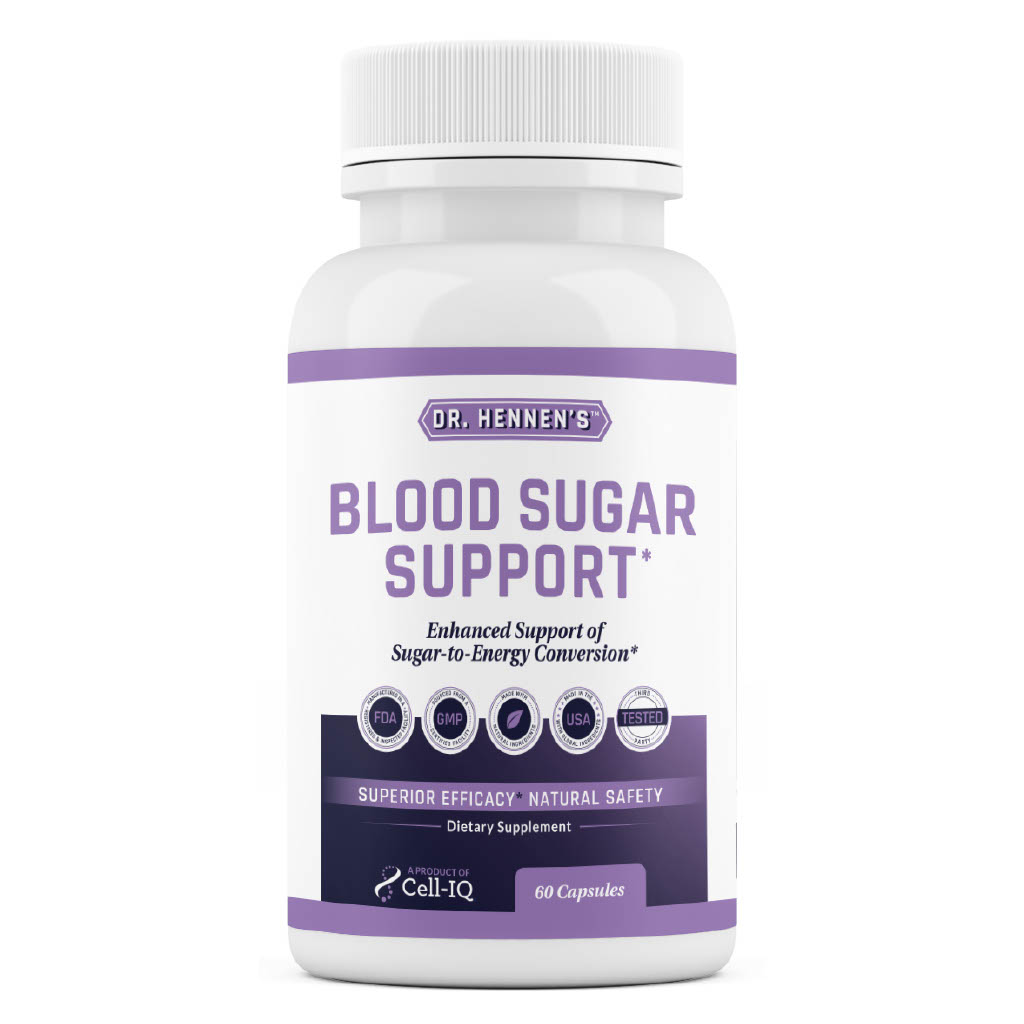
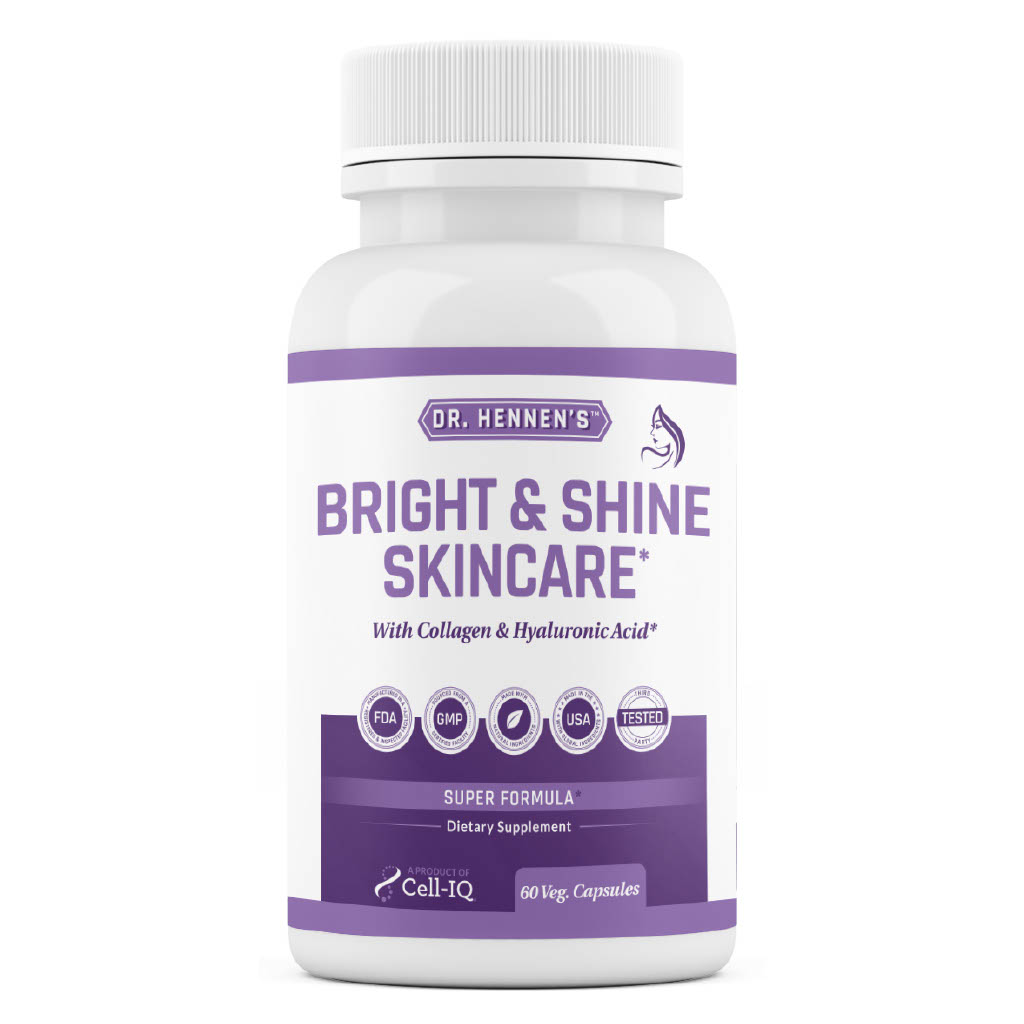
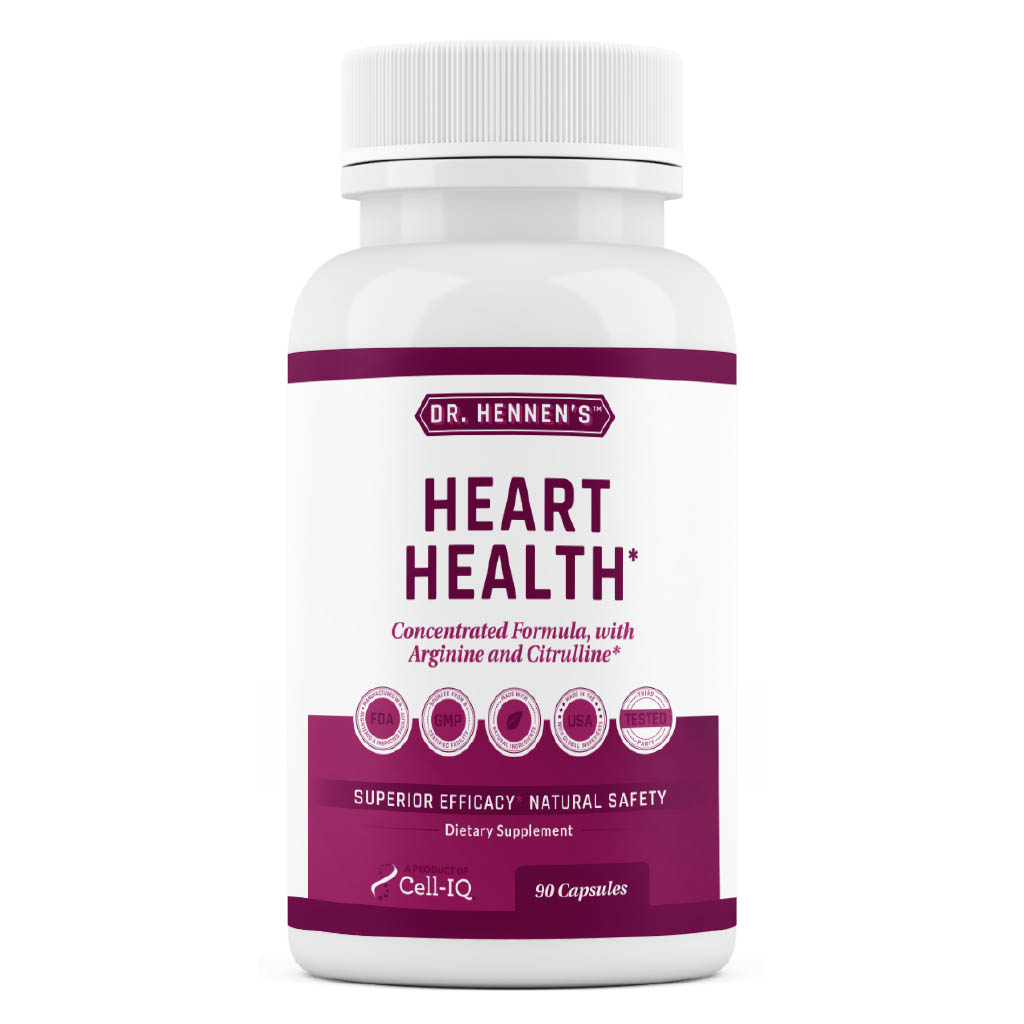
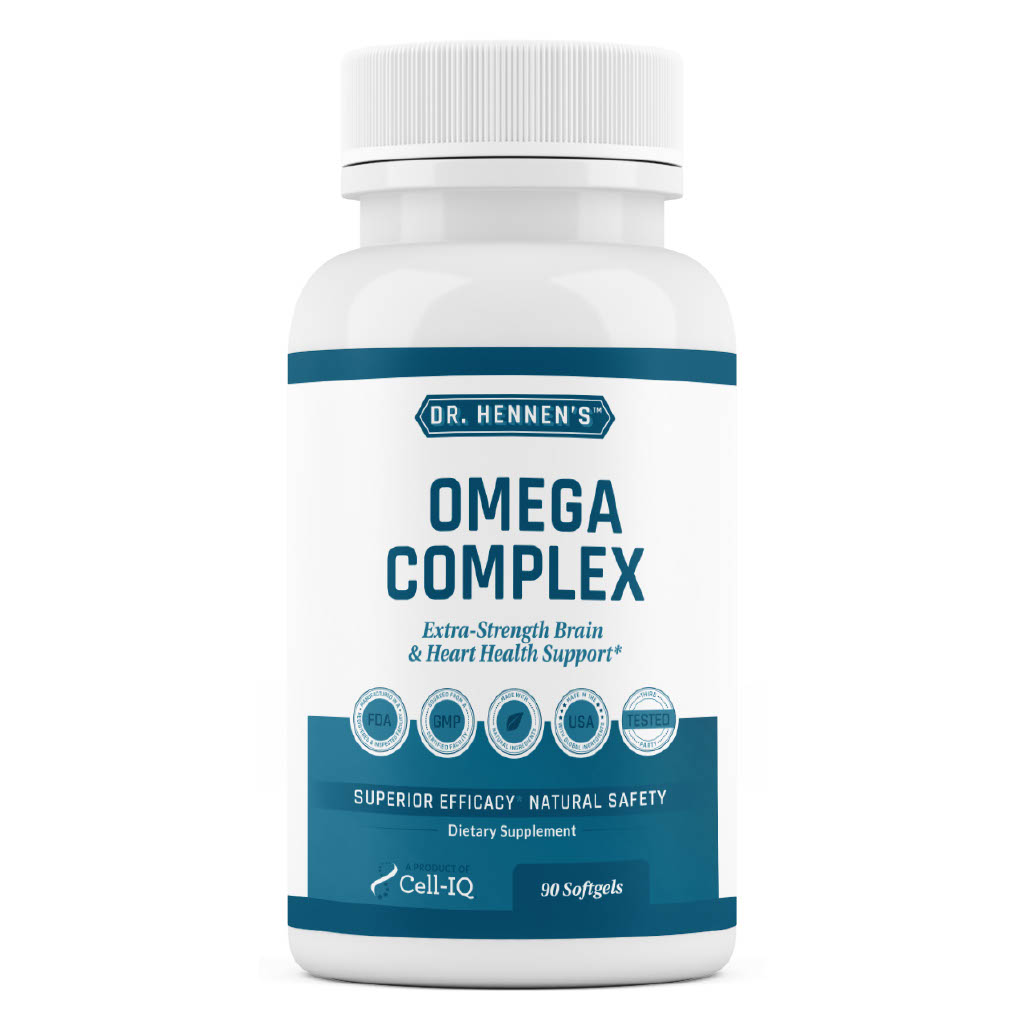
General Benefits of Supplementing with Alpha Lipoic Acid (ALA)
Alpha-lipoic acid (ALA) is a powerful “universal antioxidant” that provides multiple health benefits through its unique ability to work in both water- and fat-soluble environments throughout the body. Based on extensive clinical research, ALA offers significant benefits across several key health areas.
Primary Health Benefits
Blood Sugar Control and Diabetic Support
ALA demonstrates clinically proven benefits for glucose metabolism and diabetes management. Meta-analyses show that ALA supplementation can reduce fasting blood glucose by 36.9 mg/dL compared to placebo and lower HbA1c levels by 0.17% for every 500 mg daily dose[1][2]. The mechanism involves enhanced insulin sensitivity through activation of the PI3K/Akt pathway and improved glucose uptake by muscle and fat cells[2].
For diabetic neuropathy specifically, oral ALA at 600-1800 mg daily significantly improves symptoms including burning pain, numbness, and tingling in approximately 50-62% of patients within 5 weeks of treatment[3]. The compound works by protecting nerve cells from oxidative damage and supporting nerve regeneration[1][4].
Cardiovascular Health Protection
ALA provides comprehensive cardiovascular benefits through multiple mechanisms. Clinical trials demonstrate that supplementation significantly reduces systolic blood pressure by 5.46 mmHg and diastolic pressure by 3.36 mmHg[2][5]. The compound also improves lipid profiles by lowering total cholesterol by 10-11 mg/dL, LDL cholesterol by 9-13 mg/dL, and triglycerides by 29-31 mg/dL[6][2].
ALA enhances endothelial function by increasing nitric oxide bioavailability and reducing inflammation, which improves blood vessel flexibility and reduces atherosclerosis risk[2][7]. Studies show it can reduce atherosclerotic plaque formation by approximately 20-22% in animal models[2].
Neuroprotective Effects
ALA crosses the blood-brain barrier and provides significant neuroprotection through multiple pathways. Research demonstrates it can reduce neuroinflammation, prevent oxidative damage to brain tissue, and support cognitive function[8][9][10]. The compound upregulates DNA repair proteins like PCNA and activates neuroprotective pathways including PI3K/AKT signaling[11][12].
Clinical studies show ALA reduces sevoflurane-induced brain damage during surgery and improves postoperative cognitive function[10]. It also shows promise for neurodegenerative conditions like Parkinson’s disease by protecting dopaminergic neurons from toxicity[11][12].
Liver Health and Detoxification
ALA provides potent hepatoprotective effects by reducing oxidative stress and supporting liver regeneration. Studies demonstrate it can significantly lower liver enzymes (ALT/AST) and reduce hepatic inflammation[7][13][14]. The compound works by replenishing glutathione stores, reducing lipid peroxidation, and suppressing inflammatory cytokines like TNF-α and IL-6[7].
ALA has proven effective for treating various liver conditions including alcohol-induced damage, toxic metal poisoning, and fatty liver disease by activating the Nrf2/HO-1 antioxidant pathway[13][14].
Skin Health and Anti-Aging
ALA offers visible improvements in skin texture and appearance when used topically or orally. Clinical trials show it can reduce fine lines by 50.8% and improve skin firmness after 12 weeks of use[15]. The compound works by stimulating collagen production, inhibiting matrix-degrading enzymes, and providing antioxidant protection against UV damage[15].
ALA also helps control hyperpigmentation by inhibiting tyrosinase activity and reducing melanin production, leading to more even skin tone[15].
Weight Management Support
While effects are modest, ALA can support weight loss efforts. Meta-analyses show supplementation produces small but significant short-term weight loss in overweight adults[6][16]. The compound works by improving glucose and fat metabolism, suppressing appetite through AMPK modulation, and enhancing cellular energy utilization[6][15].
Anti-Inflammatory Benefits
ALA provides systemic anti-inflammatory effects by inhibiting NF-κB activation and reducing pro-inflammatory cytokines including IL-6, IL-1β, and TNF-α[6][2]. This helps reduce chronic inflammation associated with various diseases and supports overall immune system balance[17].
Optimal Dosing and Safety
Standard therapeutic doses range from 300-600 mg daily for most conditions, with diabetic neuropathy requiring 600-1800 mg daily[3][18][19]. The compound demonstrates excellent safety even with long-term use up to 4 years, with minimal side effects primarily limited to mild nausea or skin rash[20][21][18].
Important safety note: ALA may rarely cause insulin autoimmune syndrome (IAS) in genetically predisposed individuals, potentially leading to hypoglycemia. Health Canada recommends stopping use and consulting healthcare providers if symptoms of low blood sugar occur[22].
Alpha-lipoic acid represents a well-researched, multi-target therapeutic compound that provides clinically meaningful benefits for glucose control, cardiovascular health, neuroprotection, liver function, and overall antioxidant defense. Its unique ability to work throughout the body makes it particularly valuable for addressing multiple aspects of metabolic and age-related health concerns simultaneously.
- https://www.medicinenet.com/what_is_alpha-lipoic_acid_ala_good_for/article.htm
- https://pmc.ncbi.nlm.nih.gov/articles/PMC11505271/
- https://diabetesjournals.org/care/article/29/11/2365/24539/Oral-Treatment-With-Lipoic-Acid-Improves
- https://www.webmd.com/diet/alpha-lipoic-acid-ala
- https://www.frontiersin.org/journals/cardiovascular-medicine/articles/10.3389/fcvm.2023.1272837/full
- https://www.lifeextension.com/wellness/supplements/alpha-lipoic-acid-benefits
- https://journals.sagepub.com/doi/full/10.1177/0960327119891212
- https://pubmed.ncbi.nlm.nih.gov/10401605/
- https://www.mdpi.com/2072-6643/17/5/791
- https://www.frontiersin.org/journals/pharmacology/articles/10.3389/fphar.2025.1572156/full
- https://www.spandidos-publications.com/10.3892/mmr.2016.5754
- https://www.sciencedirect.com/science/article/abs/pii/S0014299924005673
- https://journals.lww.com/sjmm/fulltext/2021/09020/protective_effect_of_alpha_lipoic_acid_against.5.aspx
- https://pubmed.ncbi.nlm.nih.gov/9607614/
- https://yeditepehastaneleri.com/en/health-guide/healthy-nutrition/what-alpha-lipoic-acid-what-are-benefits-alpha-lipoic-acid
- https://www.healthline.com/nutrition/alpha-lipoic-acid
- https://www.mdpi.com/1467-3045/47/5/322
- https://www.dovepress.com/safety-and-efficacy-of-alpha-lipoic-acid-during-4-years-of-observation-peer-reviewed-fulltext-article-DDDT
- https://examine.com/supplements/alpha-lipoic-acid/
- https://www.drugs.com/sfx/alpha-lipoic-acid-side-effects.html
- https://pmc.ncbi.nlm.nih.gov/articles/PMC7603186/
- https://www.canada.ca/en/health-canada/services/drugs-health-products/medeffect-canada/safety-reviews/summary-safety-review-alpha-lipoic-acid-assessing-potential-risk-low-blood-sugar-hypoglycemic.html
Benefits of ALA for Blood-Sugar Control
Key Takeaway
Alpha-lipoic acid (ALA) offers modest but clinically measurable improvements in blood-sugar control by enhancing insulin sensitivity, lowering fasting glucose and HbA1c, and protecting pancreatic β-cells from oxidative stress. Benefits become most evident at oral doses of 300–600 mg/day taken consistently for at least eight weeks.
How ALA Supports Healthy Glucose Regulation
| Benefit | Mechanistic Basis | Representative Evidence |
| Improves insulin sensitivity | – Insulin-mimetic activation of PI3K/Akt pathway – Promotes GLUT4 translocation into muscle/adipocyte membranes | Cell studies show a 31-fold rise in PI3K activity and marked GLUT4 movement after ALA exposure[1][2]. 600 mg oral ALA improved whole-body insulin sensitivity in type 2 diabetes patients[3]. |
| Lowers fasting blood glucose (FBG) | Enhanced cellular glucose uptake plus reduced hepatic gluconeogenesis | 300 mg/day for eight weeks cut FBG significantly in type 2 diabetics (p = 0.0001)[4]. A meta-analysis of five RCTs found a pooled FBG drop of −36.9 mg/dL vs. placebo[5]. |
| Reduces HbA1c (long-term glycemic marker) | Sustained insulin sensitization and antioxidant protection of β-cells | Dose–response meta-analysis across 11 trials: every additional 500 mg/day lowered HbA1c by 0.17% (p = 0.008)[6]. A three-month pilot with 600 mg/day showed >25% HbA1c reduction in responsive subjects[7][8]. |
| Decreases post-prandial glucose (PPG) | Faster glucose clearance after meals | 300 mg/day ALA for eight weeks significantly reduced 2-hour PPG in diabetics (p = 0.023)[4]. |
| Protects β-cell function | Regenerates glutathione and neutralizes ROS, preserving insulin secretion | ALA maintained insulin output in stressed β-cell lines and animal models[9]. |
| Antioxidant & anti-inflammatory support | Scavenges free radicals; inhibits NF-κB-driven cytokines | Oral ALA increased glutathione peroxidase and lowered HOMA-IR in diabetic patients[4]. |
Clinical Evidence at a Glance
| Study Type | Dose & Duration | Key Outcome |
| RCT, Iran (n = 57) | 300 mg/day, 8 wks | − FBG, − PPG, − HOMA-IR[4] |
| RCT, Austria (n = 30) | 600 mg IV, single | ↑ insulin-mediated glucose disposal[3] |
| Pilot RCT, USA (n = 20) | 600 mg/day, 12 wks | HbA1c responders saw >25% drop[7][8] |
| Meta-analysis (16 RCTs, 1 035 pts) | 500 mg increments | HbA1c −0.17%, FPG −9 mg/dL, linear up to 600 mg/day[6] |
| Meta-analysis (5 RCTs, stroke pts) | 300–600 mg, 3–12 wks | FBG −36.9 mg/dL vs. placebo[5] |
Typical Dosing
- Oral: 300–600 mg/day divided with meals.
- Intravenous (clinical use): 600 mg/day for short courses (mainly neuropathy).
Safety Notes
ALA is generally well-tolerated. Because it can potentiate glucose-lowering drugs, monitor for hypoglycemia. Rare cases of Insulin Autoimmune Syndrome have been reported, leading Health Canada to issue a precautionary statement[10].
Practical Guidance
- Combine with lifestyle basics (diet, exercise) to magnify benefits.
- Take consistently; most trials showing glycemic benefit ran ≥ 8 weeks.
- Choose R-ALA or stabilized forms for better bioavailability if budget allows.
Bottom line: Regular ALA supplementation can be a useful adjunct for maintaining healthy blood-sugar levels—particularly for individuals with insulin resistance—through well-documented mechanisms of improved insulin signaling, antioxidant protection, and modest reductions in fasting glucose and HbA1c.
1 https://www.canada.ca/en/health-canada/services/drugs-health-products/medeffect-canada/safety-reviews/summary-safety-review-alpha-lipoic-acid-assessing-potential-risk-low-blood-sugar-hypoglycemic.html
2 https://pubmed.ncbi.nlm.nih.gov/11375349/
3 https://diabetesjournals.org/diabetes/article/50/6/1464/11180/The-Antihyperglycemic-Drug-Lipoic-Acid-Stimulates
4 https://www.sciencedirect.com/science/article/pii/S0891584999000891
5 https://pubmed.ncbi.nlm.nih.gov/21666939/
6 https://pmc.ncbi.nlm.nih.gov/articles/PMC6915248/
7 https://pmc.ncbi.nlm.nih.gov/articles/PMC9578061/
8 https://huskiecommons.lib.niu.edu/allfaculty-peerpub/1077/
9 https://www.degruyterbrill.com/document/doi/10.2202/1553-3840.1297/html
10 https://pmc.ncbi.nlm.nih.gov/articles/PMC9824456/
Benefits of ALA for Skincare
Key Takeaway
Alpha-lipoic acid (ALA) is a universal (water- and fat-soluble) antioxidant that can penetrate skin, recycle vitamins C and E, and calm inflammation. Clinical and laboratory studies show visible improvements in fine lines, texture, pigment, and barrier strength when 3-5% ALA is applied consistently for at least 8–12 weeks. Benefits are additive to—but not a substitute for—sunscreen and retinoids.
How ALA Works in Skin
- Free-radical scavenging: Quenches reactive oxygen species and regenerates glutathione, vitamin C, and vitamin E[1].
- Anti-inflammatory modulation: Suppresses NF-κB and pro-inflammatory cytokines in keratinocytes and sebocytes[2].
- Collagen & elastin preservation: Reduces matrix-degrading enzymes, helping maintain dermal structure[3][4].
- Barrier reinforcement: Up-regulates epidermal proteins (filaggrin, involucrin, keratin 10) and collagen IV, thickening the stratum corneum[5].
- Pigment control: Inhibits tyrosinase activity and melanogenesis, decreasing UV-induced melanin production[6].
Evidence-Based Skin Benefits
| Benefit | Mechanistic Driver | Representative Findings | Evidence Level |
| Smoother texture & reduced wrinkles | Antioxidant & MMP inhibition | 12-week split-face RCT with 5% ALA cut skin roughness by 50.8% and visibly softened peri-orbital lines[3]. | Randomized controlled trial |
| Pore‐size & firmness | Collagen support | 5% ALA cream twice daily for 12 weeks lessened pore diameter and firmed upper-lip skin in all subjects[4]. | Open-label clinical study |
| Brighter tone / fade spots | Tyrosinase suppression | 0.01–0.1% ALA lowered melanin in a 3-D human skin model without harming viability[6]. | Ex-vivo tissue model |
| Stronger barrier & hydration | Boosted epidermal proteins | 10 µM ALA for 7 days increased filaggrin, involucrin, keratin 10, and collagen IV in skin-on-chip models[5]. | Organ-chip experiment |
| Anti-inflammatory & sebum modulation | NF-κB down-regulation | ALA curtailed inflammatory biomarkers and lipid peroxidation in cultured human sebocytes[2]. | Cell culture |
| Accelerated wound healing | Antioxidant & fibroblast activation | Topical ALA cream hastened closure and collagen deposition in a pressure-injury animal model[7]. | Animal study |
Photoprotection—A Mixed Picture
- Although ALA improves photo-aging, one placebo-controlled study found no protective effect against acute UV damage when 5% ALA was applied before irradiation[8].
- ALA itself degrades under UV, so opaque, air-restrictive packaging is essential to preserve potency[1].
Practical Use Guidelines
- Concentration: Most studies showing benefit use 3–5% creams; lower levels (0.1%–1%) are adequate for pigment control.
- Formulation: Because ALA is both lipophilic and hydrophilic, serums or creams with stabilizers (e.g., lecithin, DMAE) enhance penetration and shelf life[9].
- Application: Apply once or twice daily on clean skin; pair with broad-spectrum sunscreen in the morning.
- Synergy: Combines well with vitamin C, niacinamide, peptides, and SPF for a multi-antioxidant regimen.
- Tolerance: Generally non-irritating; occasional transient stinging or redness may occur. Patch-test sensitive skin.
Limitations & Safety Notes
- Benefits are modest compared with prescription retinoids; ALA should be viewed as a supportive, not primary, anti-aging step.
- Oral ALA supplements offer systemic antioxidant effects, but data on oral supplementation for skin appearance are sparse and not yet conclusive.
- Do not rely on ALA for UV protection—continue proven photoprotective measures (sunscreen, shade, UPF clothing).
Bottom Line
Regular topical use of well-formulated ALA can refine texture, soften fine lines, brighten hyperpigmentation, and reinforce the skin barrier, thanks to its distinctive antioxidant and anti-inflammatory profile. For best results, integrate 3-5% ALA into a routine that already includes sunscreen and evidence-backed actives.
- https://pmc.ncbi.nlm.nih.gov/articles/PMC2675023/
- https://pmc.ncbi.nlm.nih.gov/articles/PMC7992692/
- https://pubmed.ncbi.nlm.nih.gov/14616378/
- https://academic.oup.com/asj/article/20/3/218/196220
- https://pmc.ncbi.nlm.nih.gov/articles/PMC7927099/
- https://www.jstage.jst.go.jp/article/fstr/15/5/15_5_537/_pdf
- https://www.sciencedirect.com/science/article/abs/pii/S0014299925005230
- https://pubmed.ncbi.nlm.nih.gov/15482491/
- https://www.sciencedirect.com/science/article/pii/0006295296003371
Benefits for ALA for Cardiovascular Health
Alpha-lipoic acid (ALA) offers comprehensive cardiovascular benefits through multiple mechanisms that support heart health, blood vessel function, and metabolic factors affecting cardiovascular wellness.
Primary Cardiovascular Benefits
Blood Pressure Reduction
Alpha-lipoic acid demonstrates consistent blood pressure-lowering effects. A meta-analysis of 11 randomized controlled trials found that ALA supplementation significantly reduced systolic blood pressure by 5.46 mmHg and diastolic blood pressure by 3.36 mmHg[1]. These effects were particularly pronounced in overweight and obese individuals[1]. The blood pressure reduction appears to work through multiple pathways, including increased nitric oxide production, reduced angiotensin-converting enzyme activity, and suppression of the renin-angiotensin system through PPAR-γ activation[1].
Improved Lipid Profile
ALA provides meaningful improvements in cholesterol levels and overall lipid profile. Multiple meta-analyses have consistently shown that ALA supplementation:
- Reduces total cholesterol by 10-11 mg/dL[2][3]
- Lowers LDL (“bad”) cholesterol by 9-13 mg/dL[2][3]
- Decreases triglycerides by 29-31 mg/dL[2][4]
- Shows minimal effect on HDL cholesterol levels[2][3]
These lipid-lowering effects appear to be dose-dependent, with benefits becoming more pronounced at doses above 600 mg daily and with longer treatment durations[4]. The mechanisms involve increased lipoprotein lipase activity, enhanced LDL receptor expression in the liver, and suppression of hepatic lipogenic genes[5].
Enhanced Endothelial Function
ALA significantly improves blood vessel function through multiple pathways. Research demonstrates that ALA:
- Restores nitric oxide bioavailability, improving blood vessel dilation[6]
- Prevents eNOS uncoupling, maintaining proper nitric oxide production instead of harmful superoxide[6]
- Reduces systemic inflammation, lowering inflammatory cytokines like TNF-α and IL-6[6]
- Increases antioxidant enzyme expression, protecting blood vessels from oxidative damage[6]
These endothelial improvements translate to better circulation and reduced strain on the cardiovascular system[7].
Heart Muscle Protection
Ischemia-Reperfusion Injury Prevention
ALA provides significant protection against heart muscle damage during periods of reduced blood flow (ischemia) and subsequent restoration (reperfusion). Studies show ALA can reduce heart muscle infarct size by 22-29% when administered before reperfusion[8][9]. This protection occurs through:
- Reduced oxidative stress and free radical damage[9]
- Prevention of cardiomyocyte apoptosis (programmed cell death)[9]
- Preservation of mitochondrial function in heart muscle cells[10]
- Enhanced cellular energy production through improved mitochondrial metabolism[10]
Arrhythmia Protection
ALA demonstrates anti-arrhythmic properties by improving cardiac electrical stability. Research shows it can reduce the incidence of post-reperfusion arrhythmias and improve heart rhythm stability through KATP channel activation and enhanced hydrogen sulfide signaling[11][12]. In diabetic heart models, ALA preconditioning significantly decreased ventricular arrhythmias when combined with other cardioprotective strategies[12].
Atherosclerosis Prevention
Plaque Formation Reduction
Animal studies demonstrate that ALA supplementation can reduce atherosclerotic plaque formation by approximately 20-22% in established atherosclerosis models[8][13]. The mechanisms include:
- Reduced inflammation in blood vessel walls[13]
- Decreased oxidative stress that contributes to plaque development[13]
- Improved vascular reactivity and reduced blood vessel constriction[13]
- Lower expression of adhesion molecules that promote inflammatory cell attachment[13]
Cholesterol Oxidation Prevention
ALA helps prevent the oxidation of LDL cholesterol, a critical step in atherosclerotic plaque formation. By maintaining cholesterol in its non-oxidized state, ALA reduces the likelihood of cholesterol deposits forming in artery walls[14].
Metabolic Support for Heart Health
Blood Sugar Regulation
While not directly a cardiovascular benefit, ALA’s blood sugar-lowering effects provide important cardiovascular protection. High blood sugar levels damage blood vessels over time, and ALA’s ability to improve insulin sensitivity and lower glucose levels helps protect the cardiovascular system from diabetes-related damage[7].
Weight Management Support
Some studies suggest ALA may provide modest weight loss benefits, particularly in overweight individuals[1]. Weight reduction, even small amounts, can significantly benefit cardiovascular health by reducing blood pressure and improving metabolic parameters.
Alpha-lipoic acid offers a multi-faceted approach to cardiovascular wellness through blood pressure reduction, lipid profile improvement, enhanced blood vessel function, and direct heart muscle protection. While the individual effects are modest, the combination of benefits across multiple cardiovascular risk factors makes ALA a potentially valuable supplement for overall heart health support.
- https://pmc.ncbi.nlm.nih.gov/articles/PMC10628535/
- https://pubmed.ncbi.nlm.nih.gov/30471524/
- https://pubmed.ncbi.nlm.nih.gov/30633888/
- https://econtent.hogrefe.com/doi/abs/10.1024/0300-9831/a000732
- https://pmc.ncbi.nlm.nih.gov/articles/PMC9937669/
- https://pmc.ncbi.nlm.nih.gov/articles/PMC6481039/
- https://healthyhey.com/blogs/best-supplements-blog/alpha-lipoic-acid-heart-health-benefits
- https://www.ahajournals.org/doi/10.1161/circulationaha.107.725275
- https://pmc.ncbi.nlm.nih.gov/articles/PMC2771824/
- https://www.nature.com/articles/s41419-020-02805-2
- https://pubmed.ncbi.nlm.nih.gov/24905530/
- https://pmc.ncbi.nlm.nih.gov/articles/PMC9167407/
- https://pmc.ncbi.nlm.nih.gov/articles/PMC3075920/
- https://pmc.ncbi.nlm.nih.gov/articles/PMC2533724/
- https://ec.bioscientifica.com/view/journals/ec/11/10/EC-22-0322.xml
- https://www.webmd.com/diet/alpha-lipoic-acid-ala
- https://pmc.ncbi.nlm.nih.gov/articles/PMC7603186/
Benefits for ALA in Omega Complex
Adding alpha-lipoic acid (ALA) to an omega-3/6/9 complex does more than just “bundle two popular ingredients.” Research shows that ALA’s antioxidant and metabolic actions protect fragile poly-unsaturated fats and amplify many of their cardiometabolic and neuroprotective effects.
How ALA Strengthens an Omega Complex
| Synergy Area | What ALA Contributes | Documented Outcome |
| 1. Oxidative stability of PUFAs | – Recycles vitamins C/E and regenerates glutathione – Chelates transition metals that start lipid-peroxidation chains | Cuts fish-oil–induced malondialdehyde (MDA) and 8-OH-dG by 25-40% and keeps hepatic TBARS low when high-dose fish oil would otherwise raise them[1] |
| 2. Extra lipid-lowering power | Directly down-regulates SREBP-1c and ACC, complementing omega-3 suppression of VLDL export | Fish-oil + ALA rats showed additive drops in serum TG, total- and LDL-cholesterol versus fish oil alone, driven by a larger fall in hepatic lipogenesis enzymes[1] |
| 3. Better weight-loss response | Activates AMPK and improves mitochondrial fat oxidation while EPA/DHA modulate adipokines | In a 10-week human RCT, women on EPA + ALA lost ~1 kg more body-weight than EPA alone and retained a larger leptin decline during caloric restriction[2] |
| 4. Cognitive & functional protection | Quenches brain ROS and boosts mitochondrial enzymes that fish oil already supports | In mild Alzheimer’s, ω-3 + 600 mg ALA slowed MMSE decline and preserved daily-living scores over 12 months vs. ω-3 alone or placebo[3][4] |
| 5. Anti-inflammatory reinforcement | ALA inhibits NF-κB while omega-3s resolve inflammation via SPMs | Combined supplement produced larger IL-6 and TNF-α reductions than either agent alone in pre-clinical models[1][4] |
| 6. Promotes DHA accretion | Modulates Δ6-desaturase regulation and shunts ALA→DHA pathway | Lipoic acid boosted DHA production in hepatocytes even when EPA/DHA intake was low, implying better tissue enrichment of long-chain omega-3s[5] |
Mechanistic Highlights
- Antioxidant shield for delicate oils
Long-chain omega-3s carry six double bonds and oxidize quickly. ALA’s redox couple (ALA/dihydrolipoic acid) neutralizes peroxyl radicals and restores oxidized vitamin E, lowering fish-oil–related lipid peroxidation markers in blood and liver[1]. - Dual attack on dyslipidemia
- Omega-3s cut hepatic VLDL synthesis and accelerate triglyceride clearance.
- ALA further suppresses fatty-acid synthase and acetyl-CoA carboxylase; together they produce additive triglyceride and cholesterol reductions in vivo[1].
- Metabolic flexibility & body-weight
EPA tempered leptin rebound, while ALA activated AMPK—resulting in greater fat-mass loss and preservation of resting energy expenditure versus calorie restriction alone[2]. - Neuroprotection beyond fish oil
Omega-3s supply membrane DHA; ALA restores mitochondrial complex I/IV activity and dampens microglial NF-κB. The combination maintained cognition and instrumental ADL over one year in Alzheimer’s patients, whereas fish oil alone did not[3]. - Facilitating endogenous DHA synthesis
By partially inhibiting Δ6-desaturase feedback, ALA increases flux through the alternative Δ8 pathway, allowing more ALA-derived DHA to accumulate—useful when dietary DHA is modest[5].
Practical Formulation Tips
- Dose sweet-spot: Most synergy trials use 300–600 mg/day ALA with 1–2 g EPA +DHA.
- Stability: Include mixed tocopherols; keep capsules in opaque blisters to prevent ALA-mediated metal chelation from turning pro-oxidant.
- Timing: Take with meals containing fat—improves absorption of both ALA (which is otherwise rapidly cleared) and omega fats.
- Safety checks: Monitor glucose in users on hypoglycemics; ALA can potentiate insulin action.
Bottom Line
Formulating an omega complex with 300-600 mg alpha-lipoic acid yields a more stable, more potent, and broader-acting supplement—delivering stronger triglyceride control, added antioxidant protection, improved weight-loss response, and measurable cognitive benefits that fish oil alone does not provide[1][2][3][5][4].
 Dr. Hennen Labs